


The Challenge in Rural Firefighting
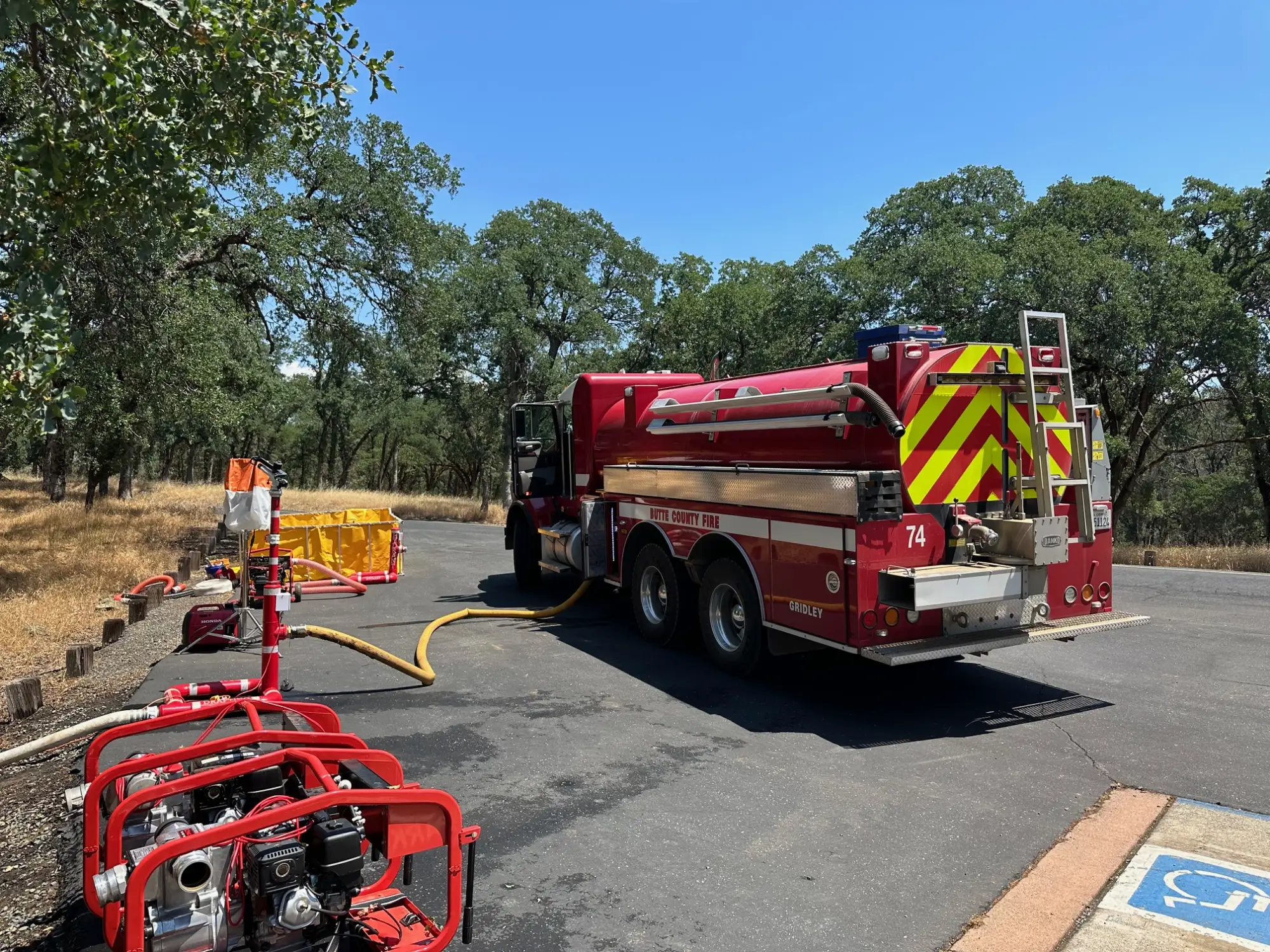
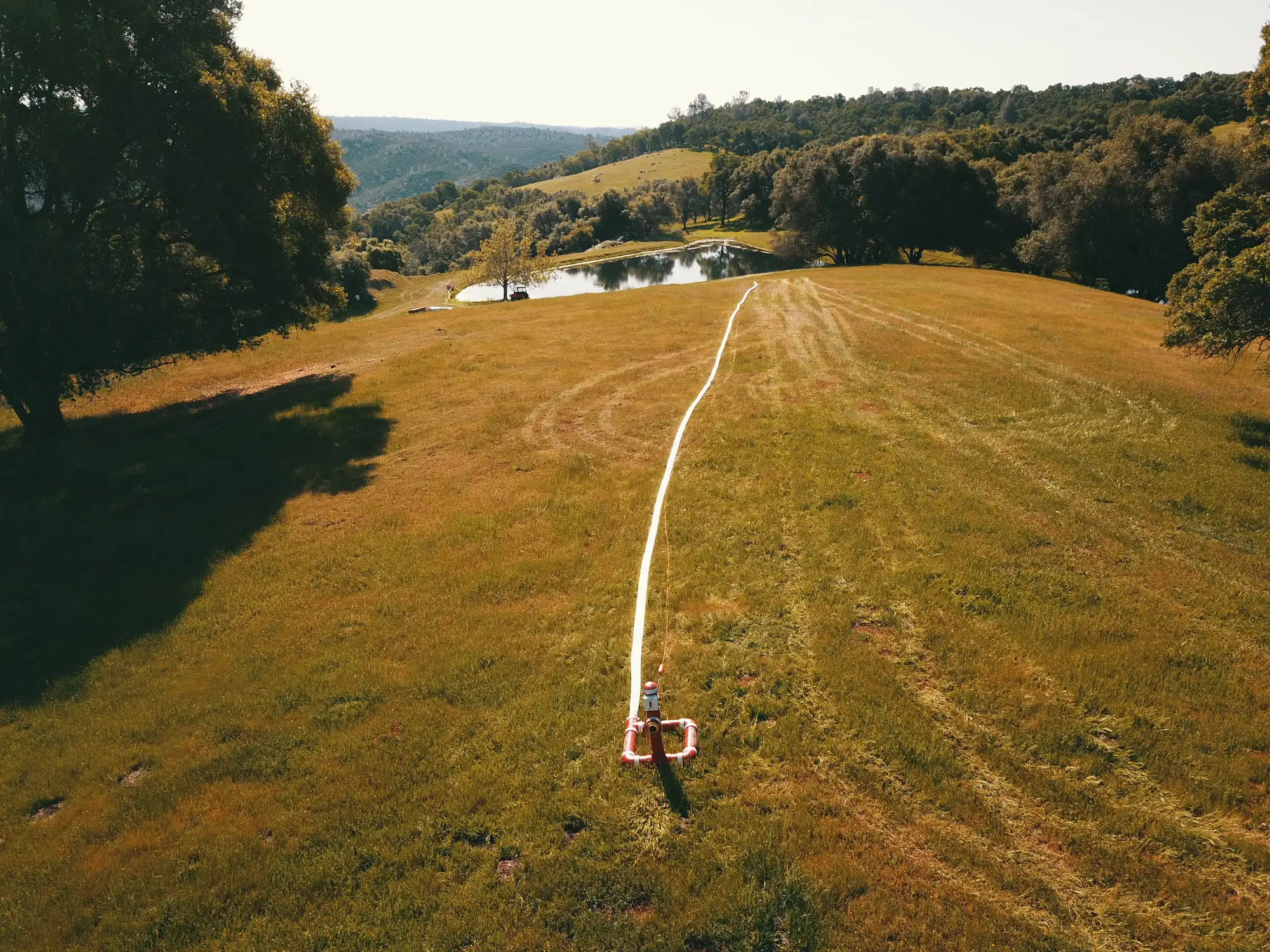
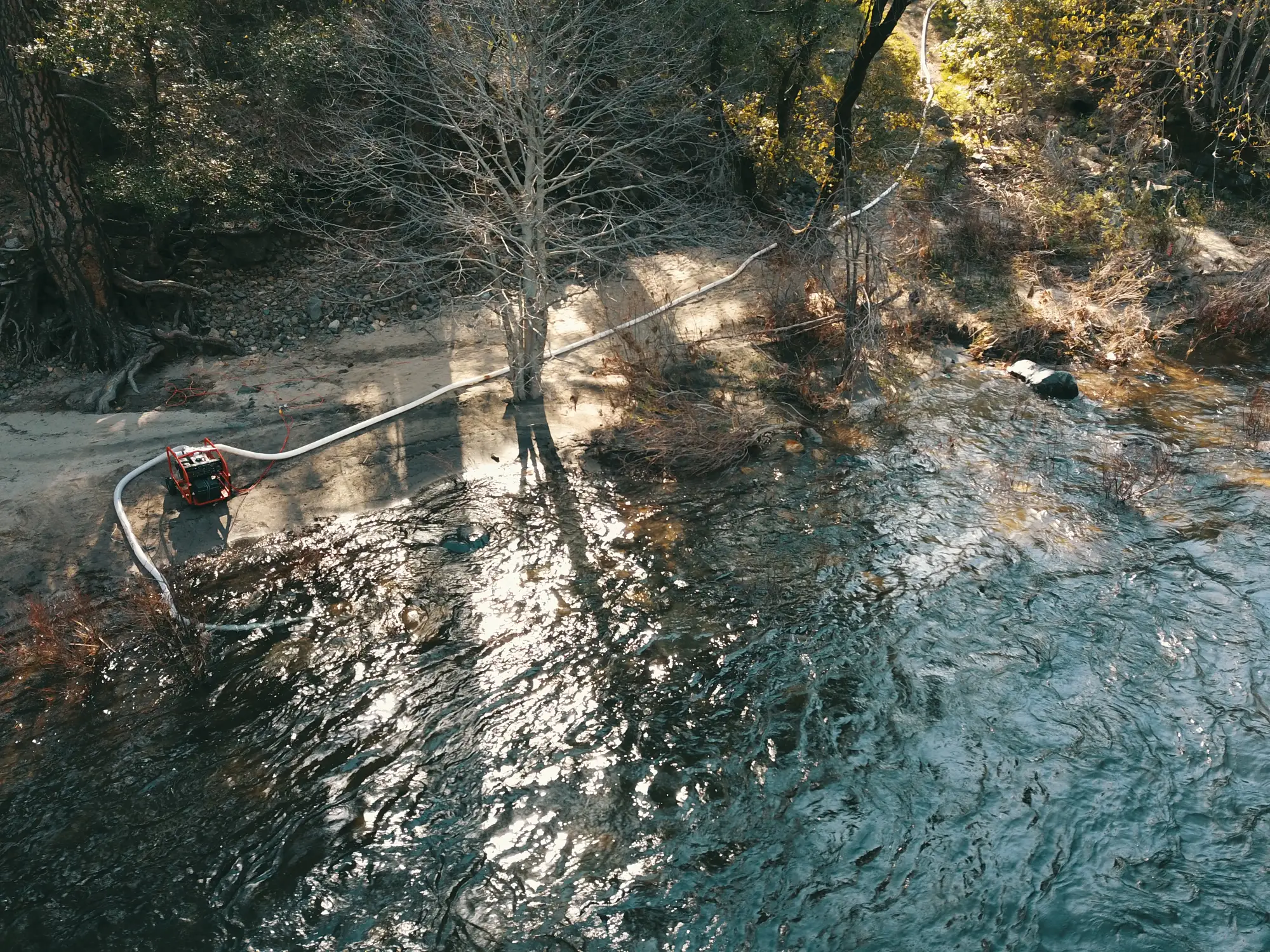
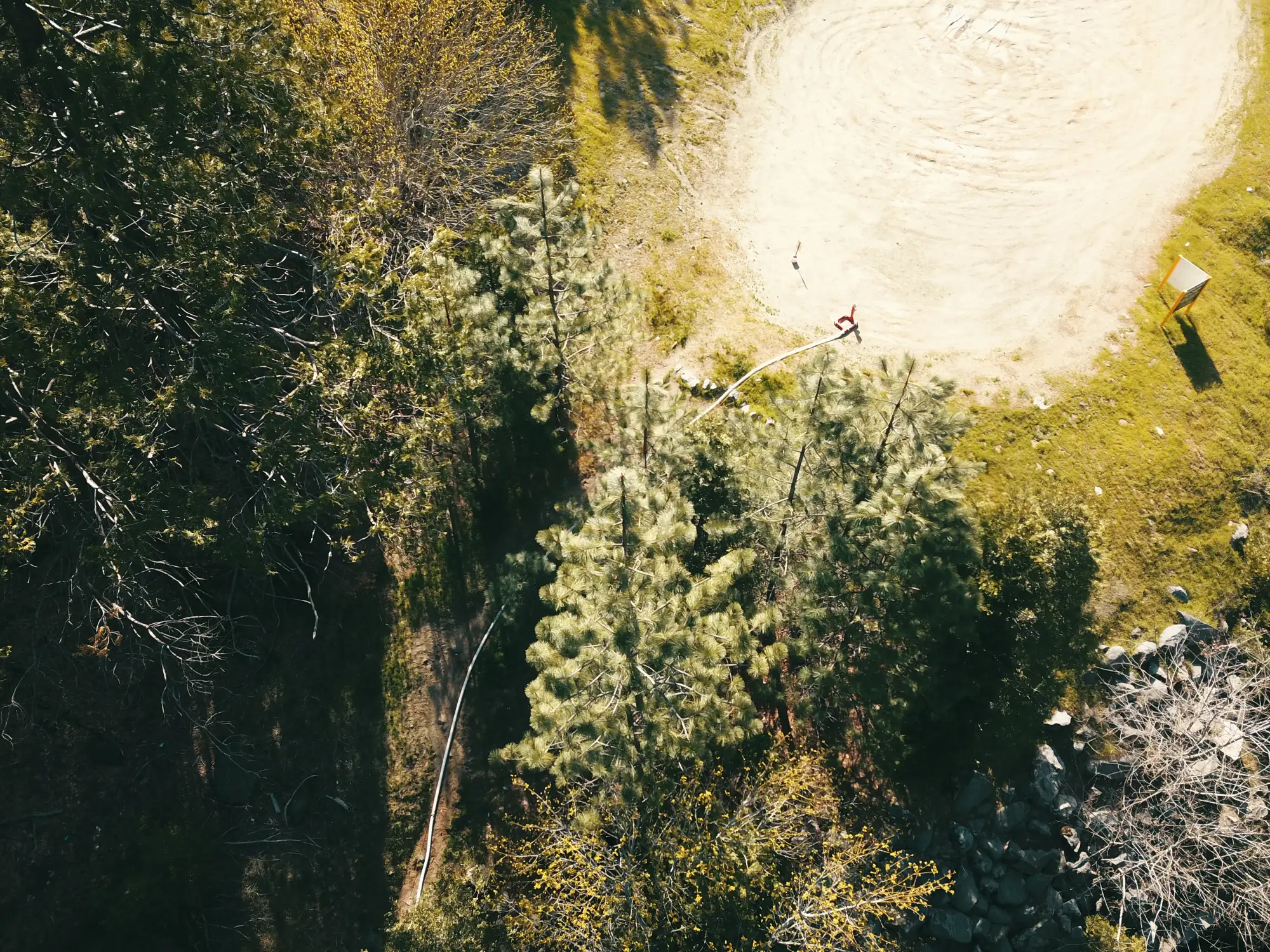
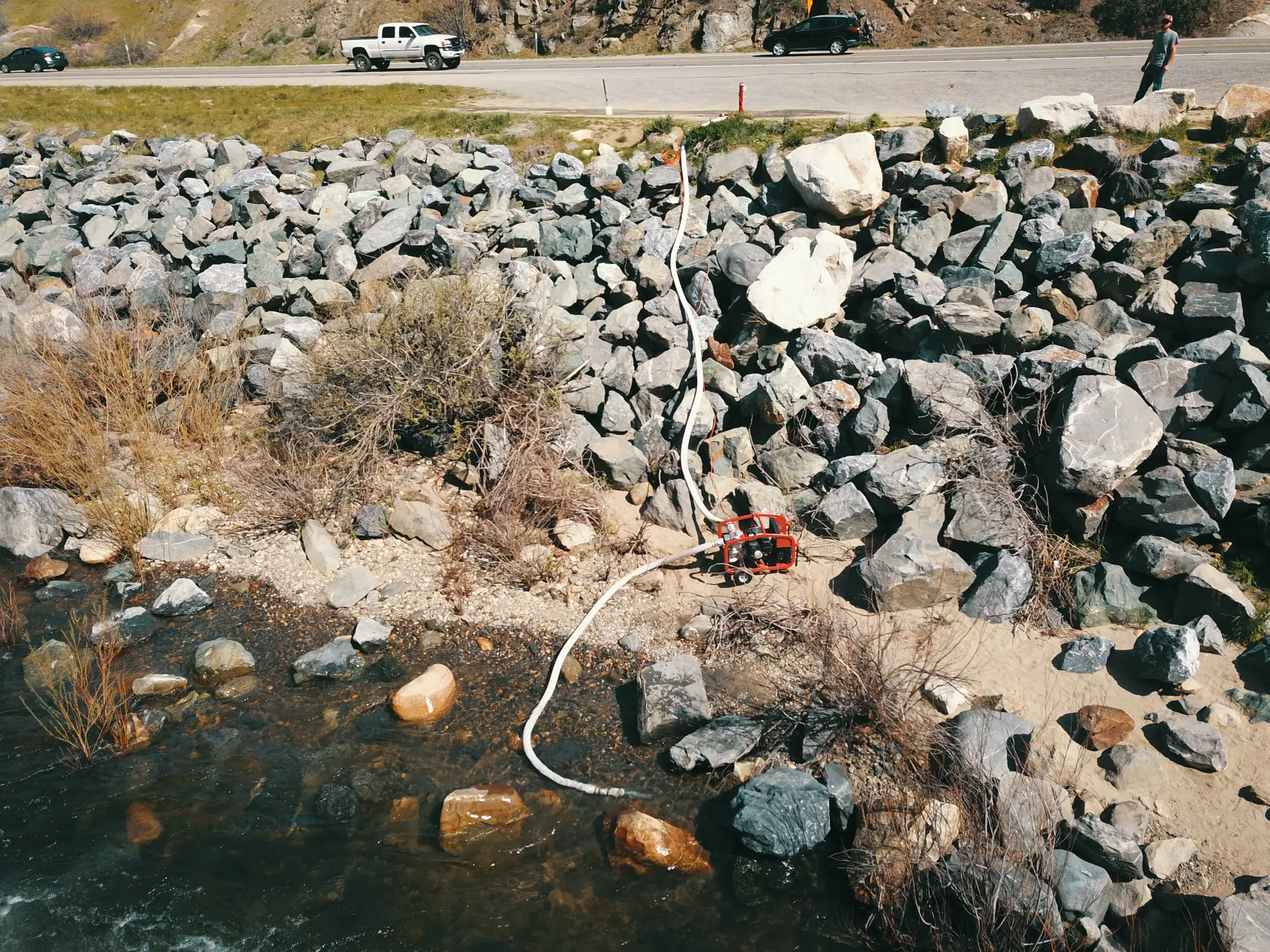
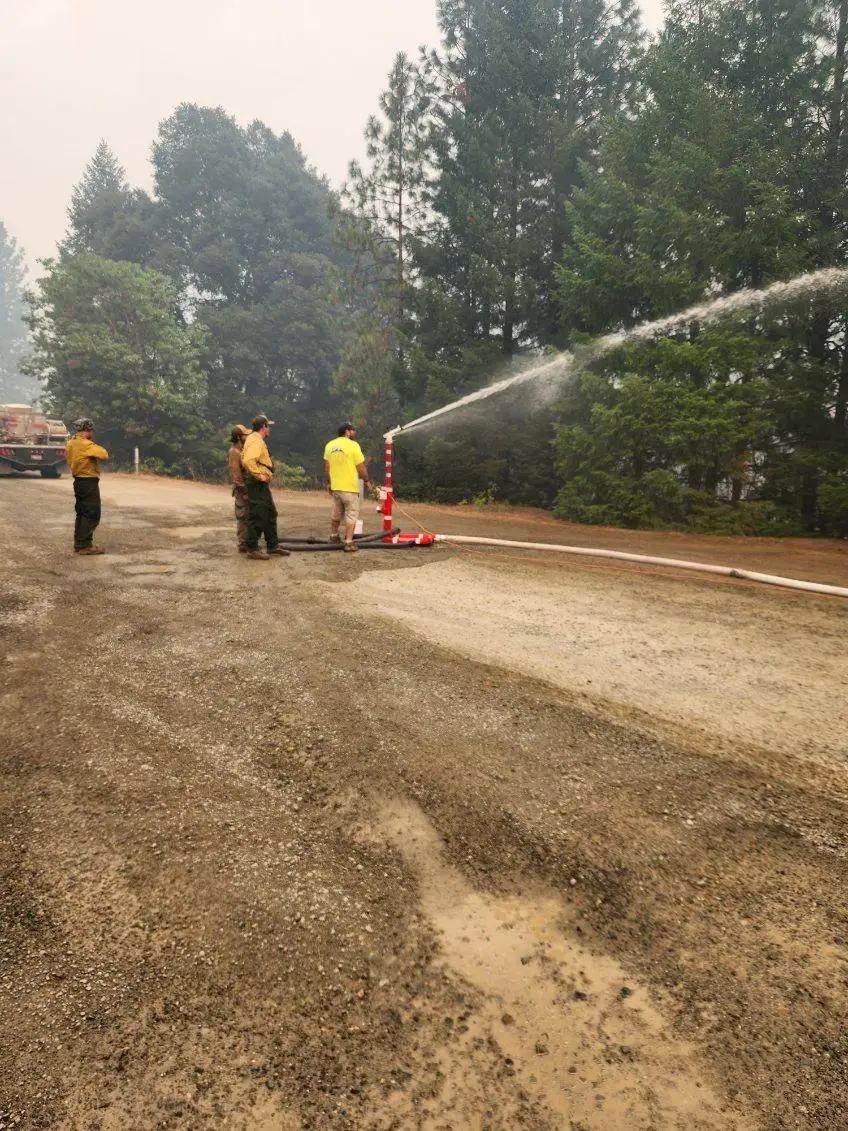
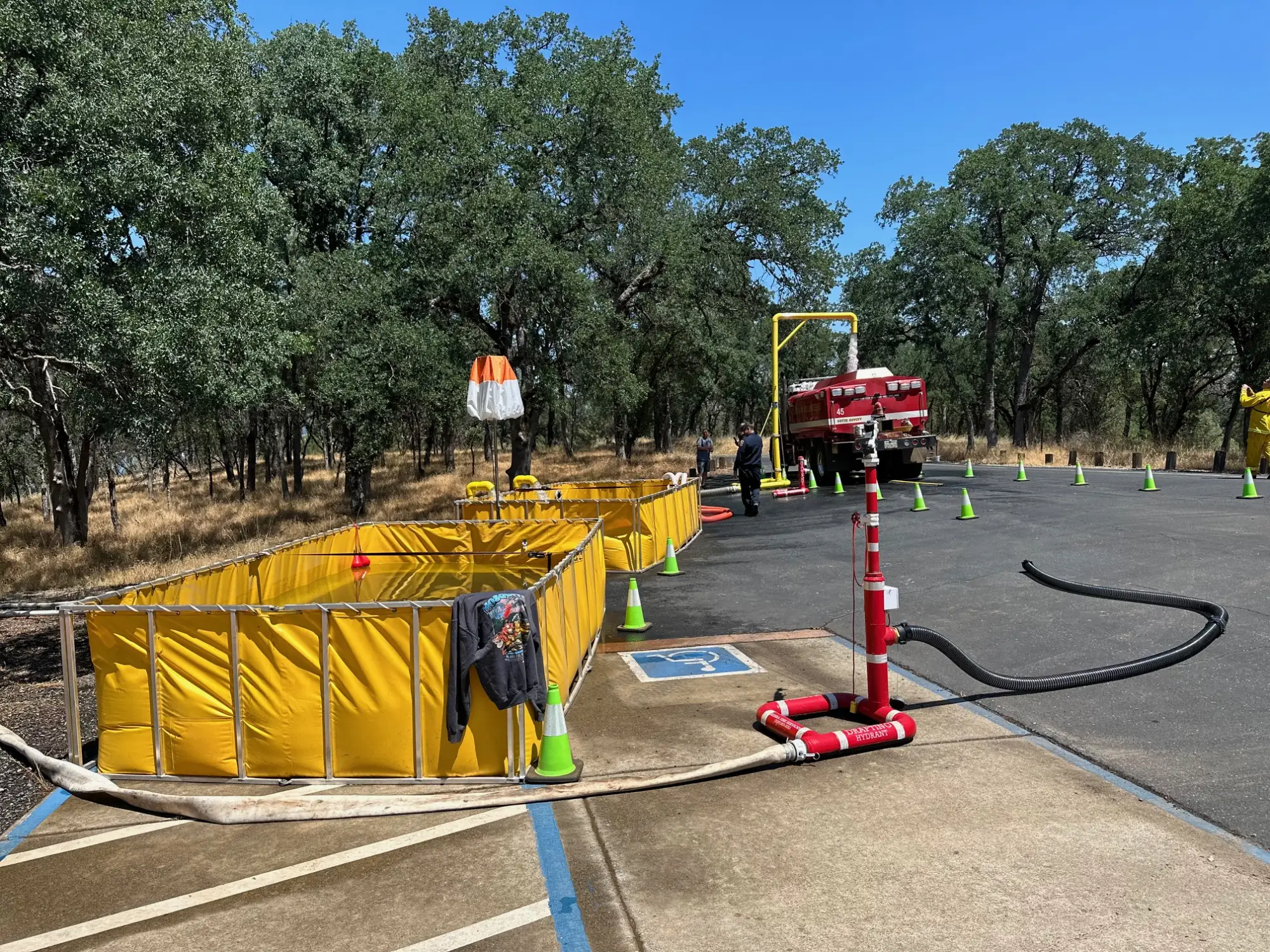
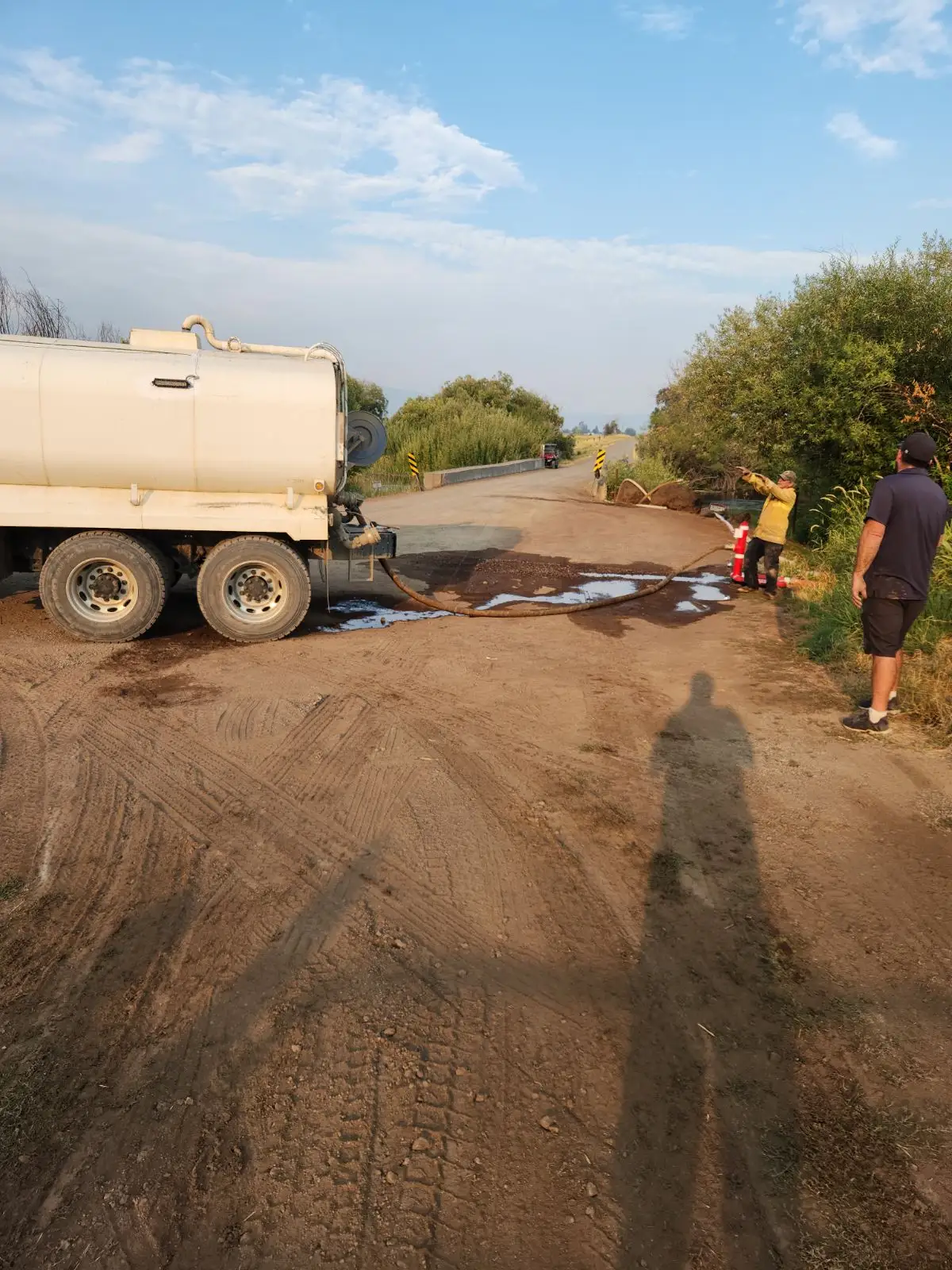
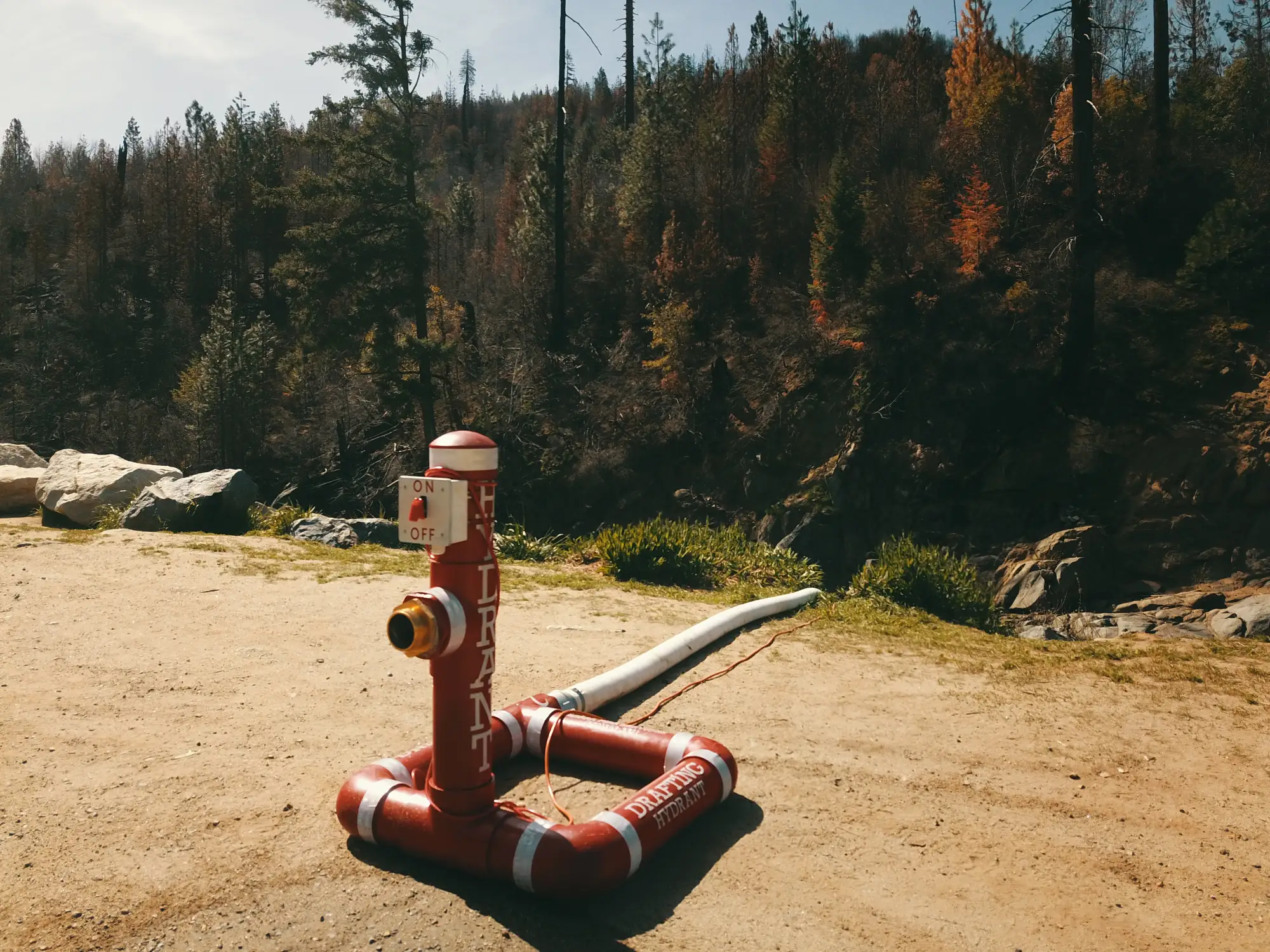
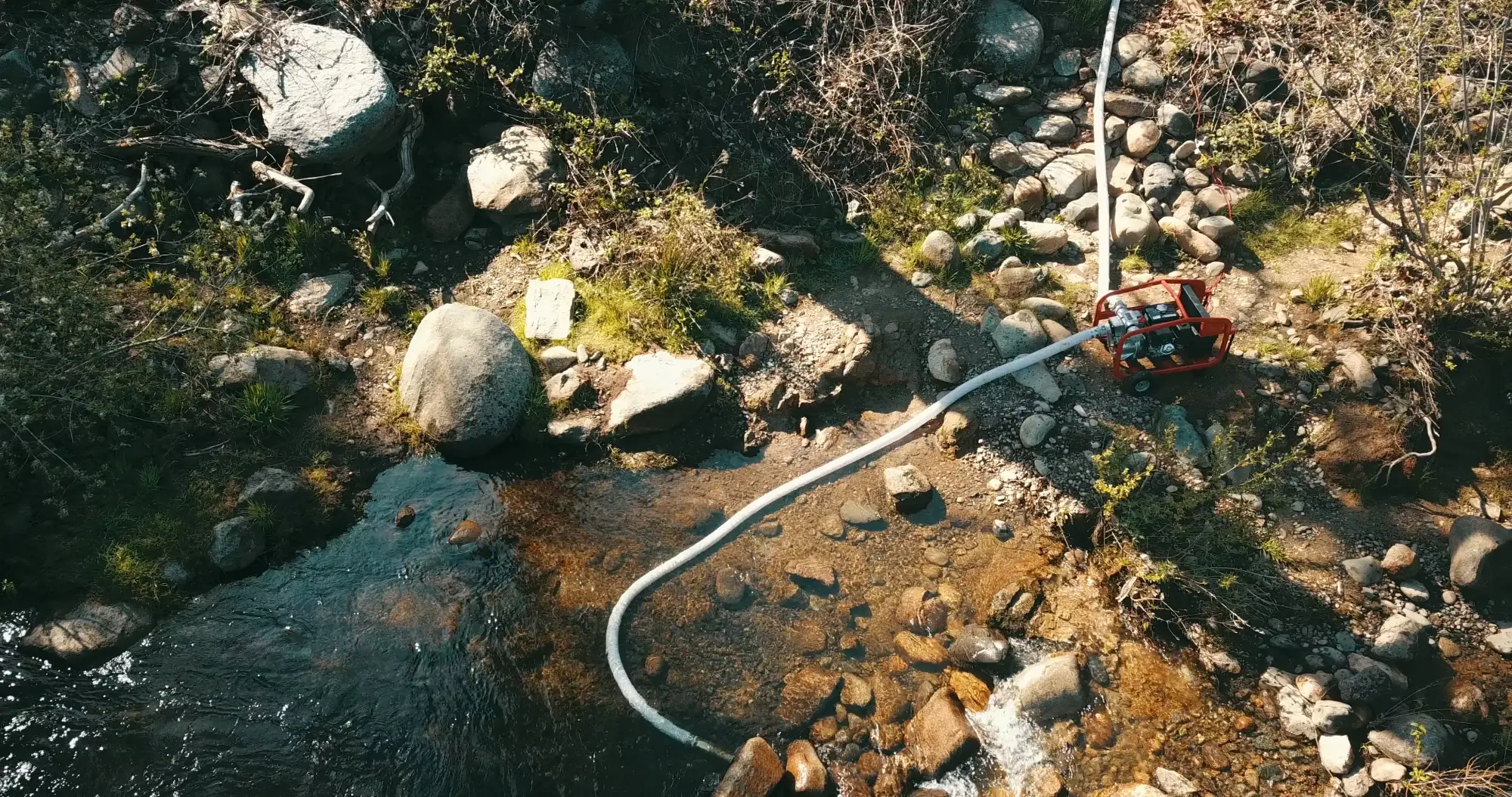
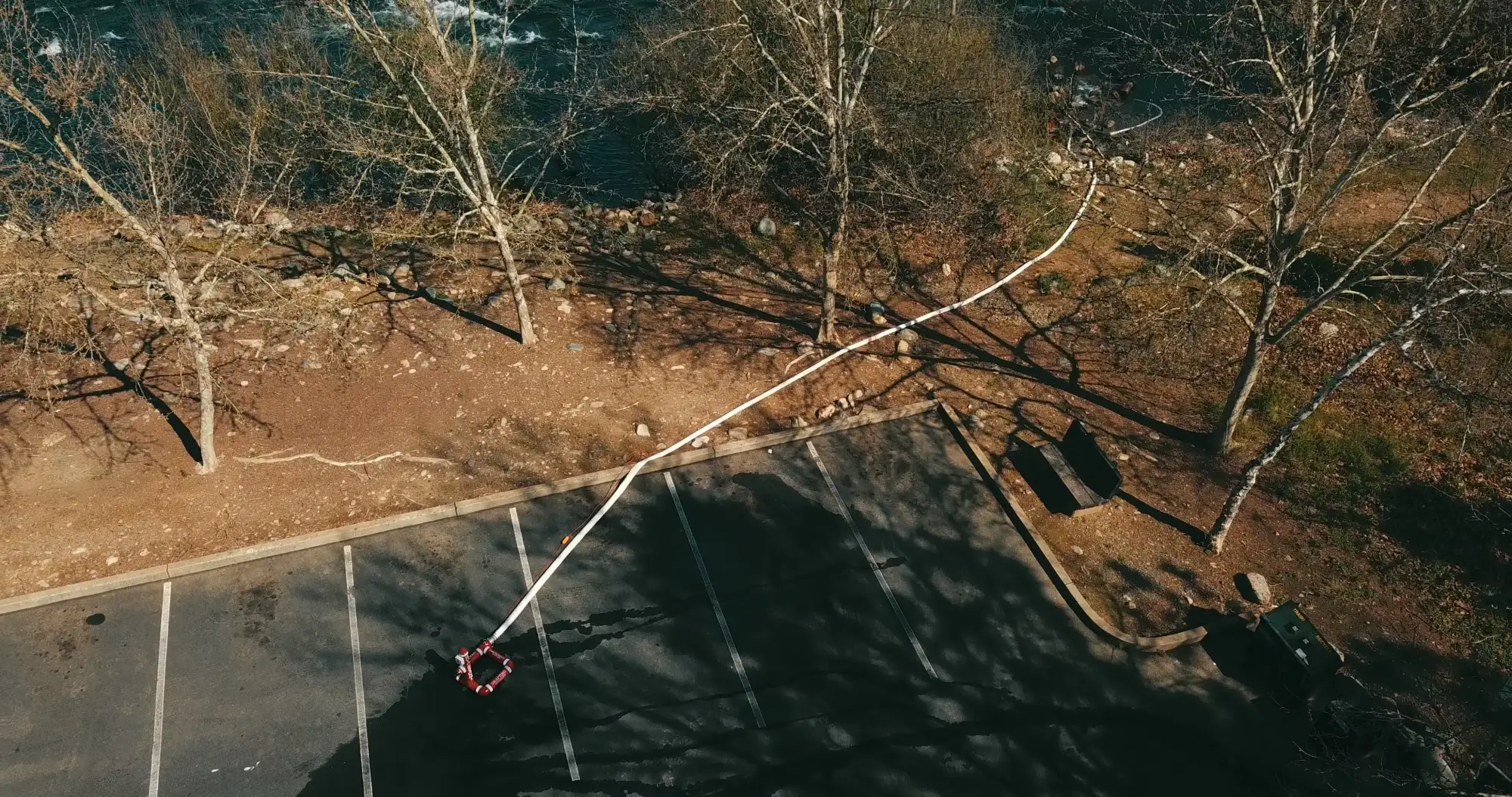
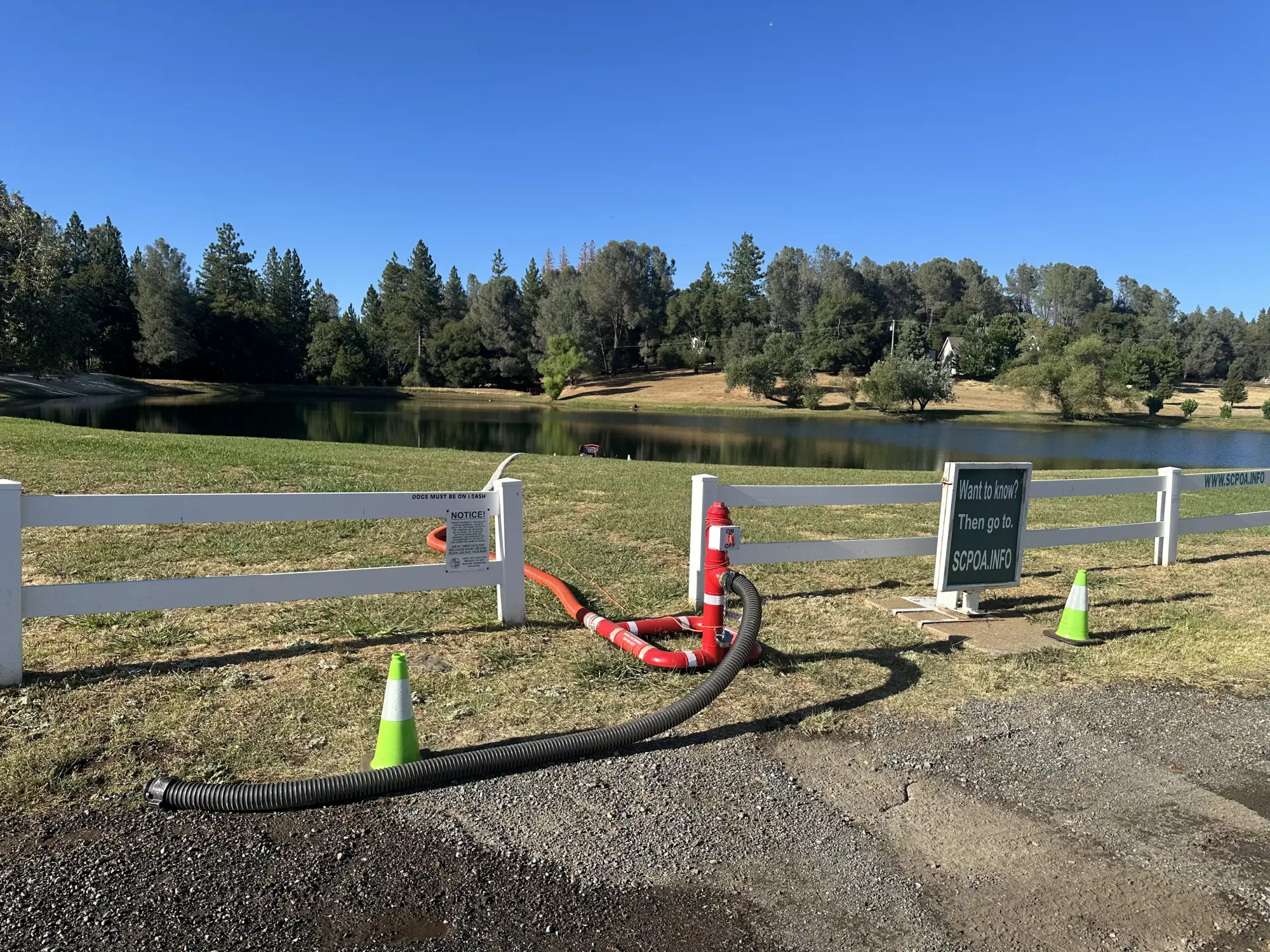
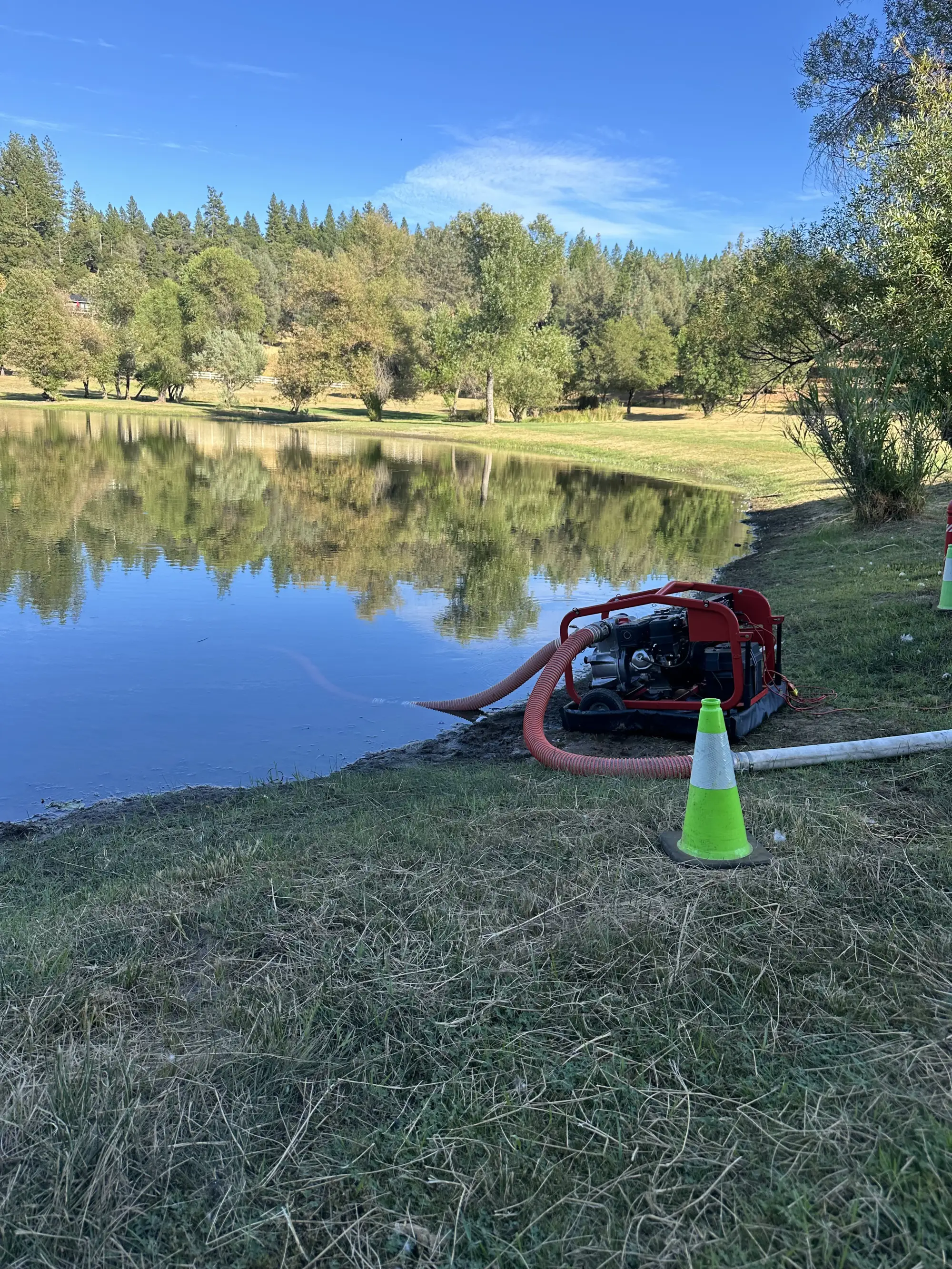
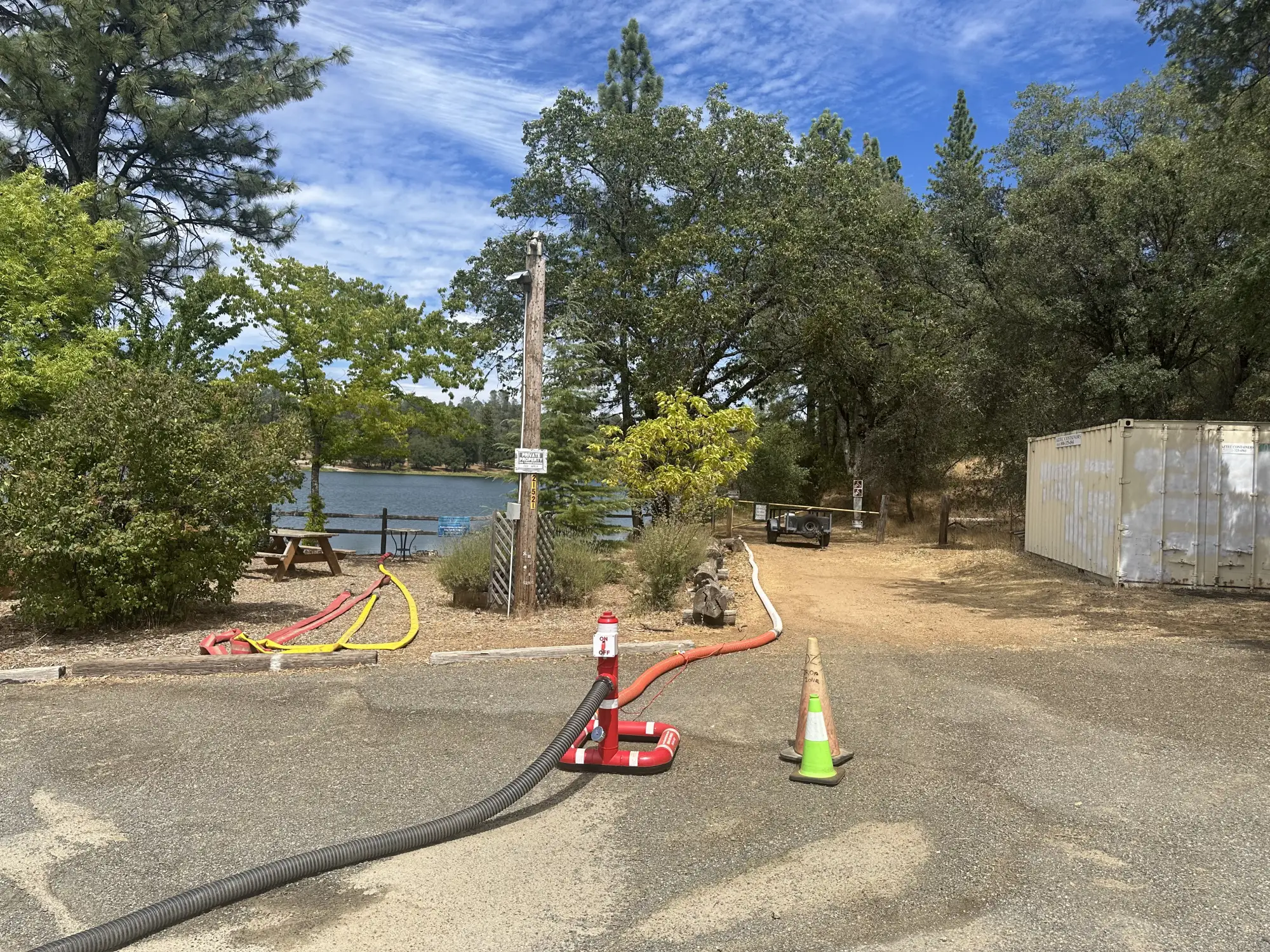
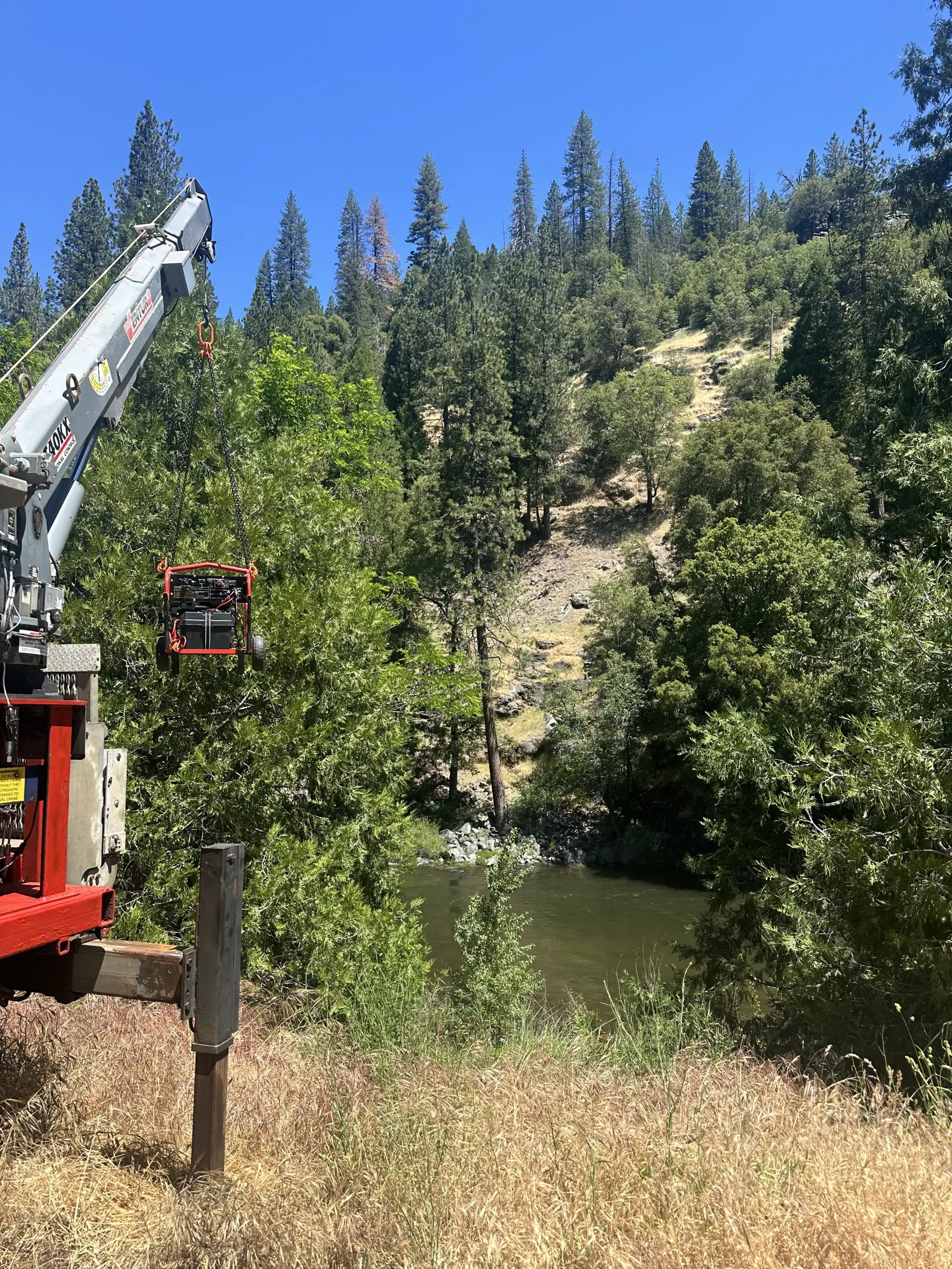
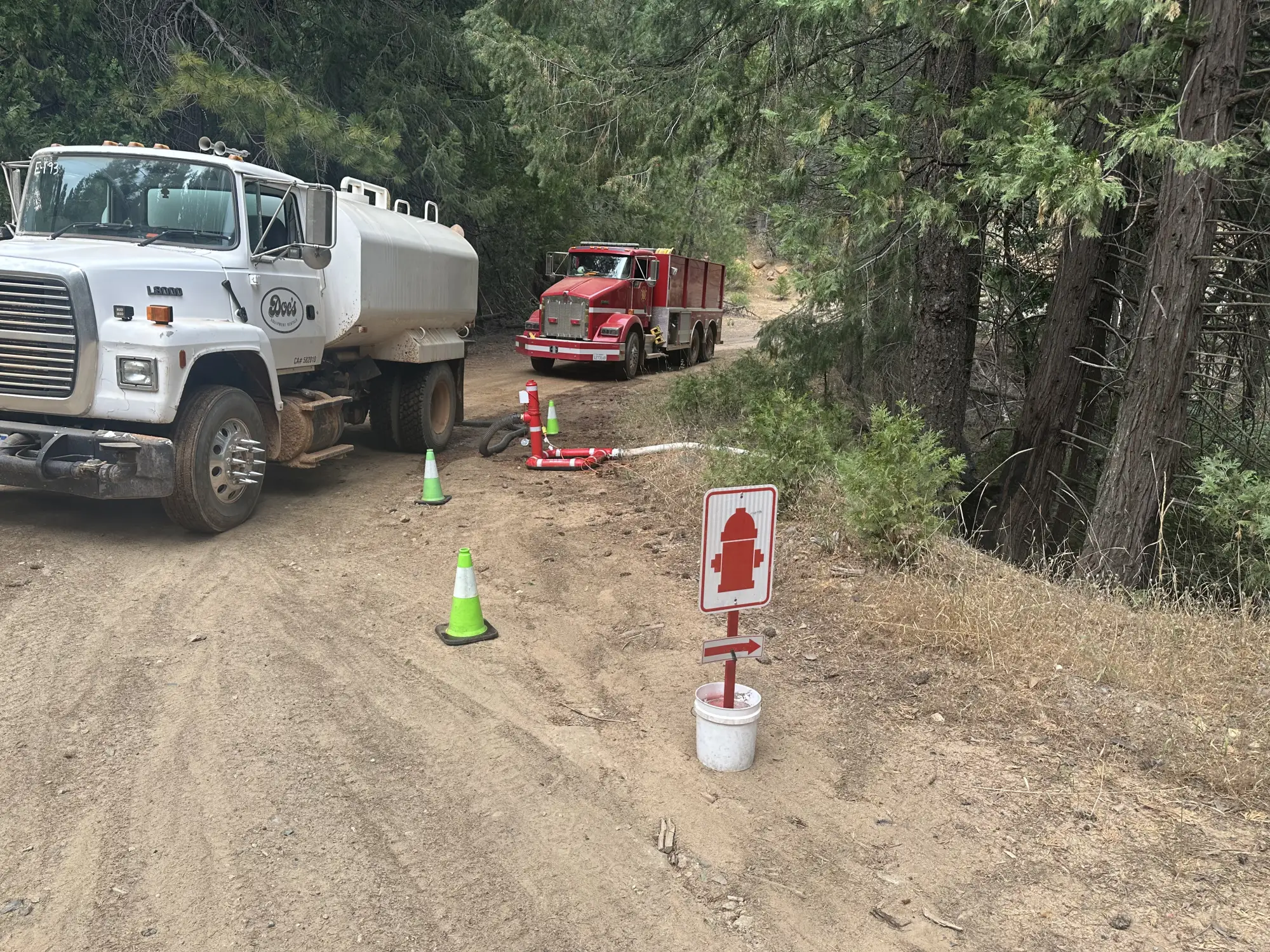
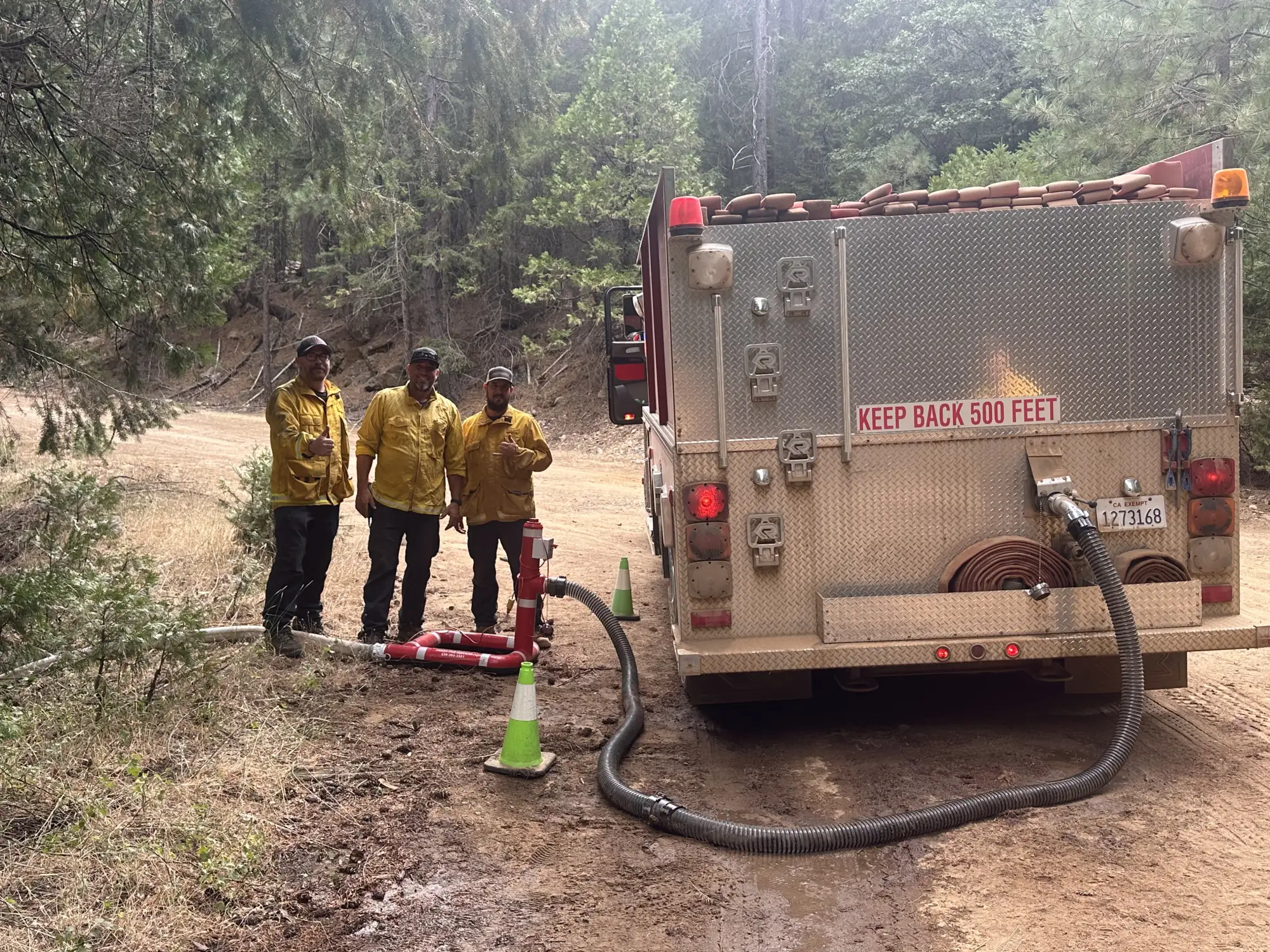
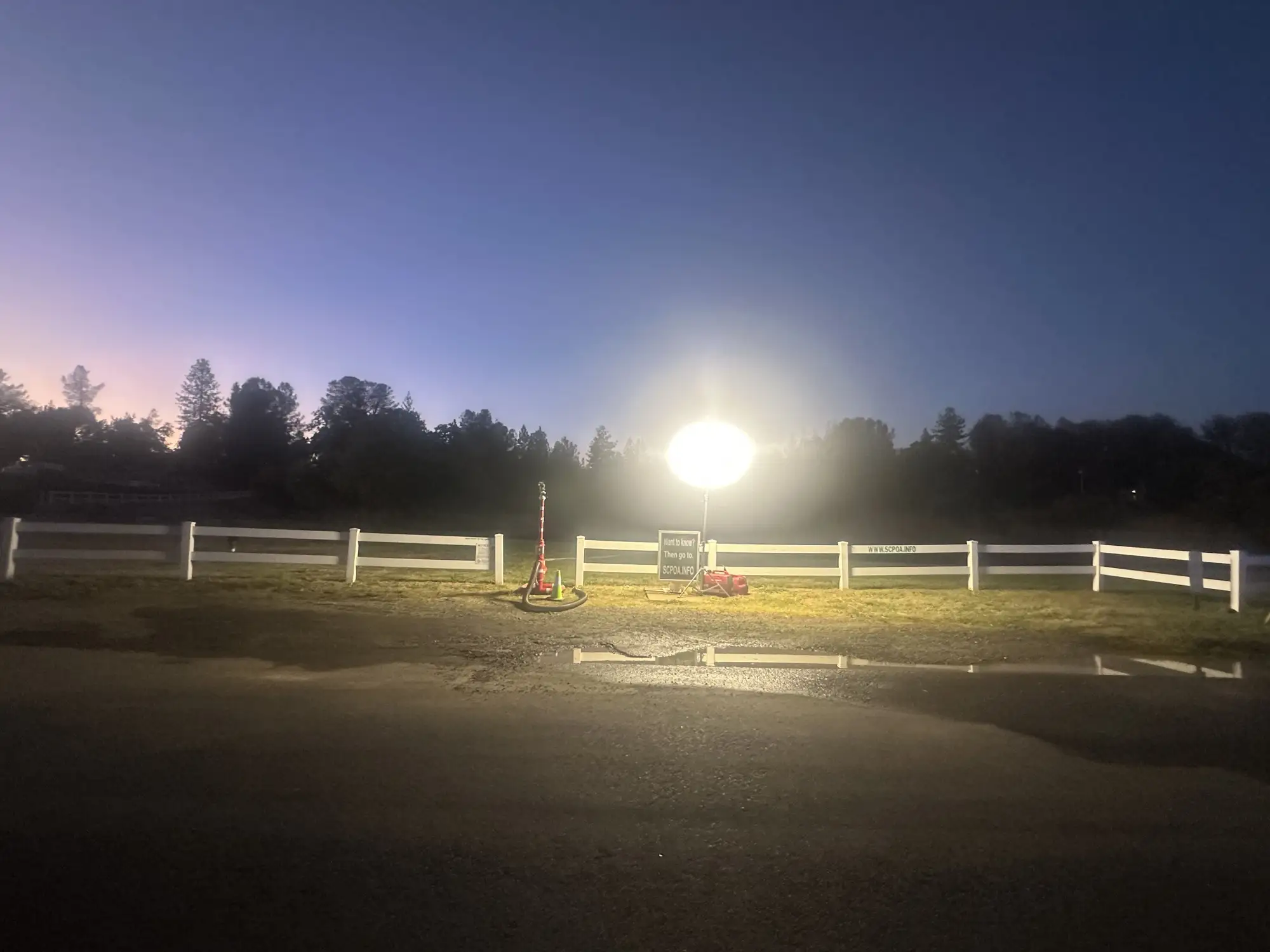
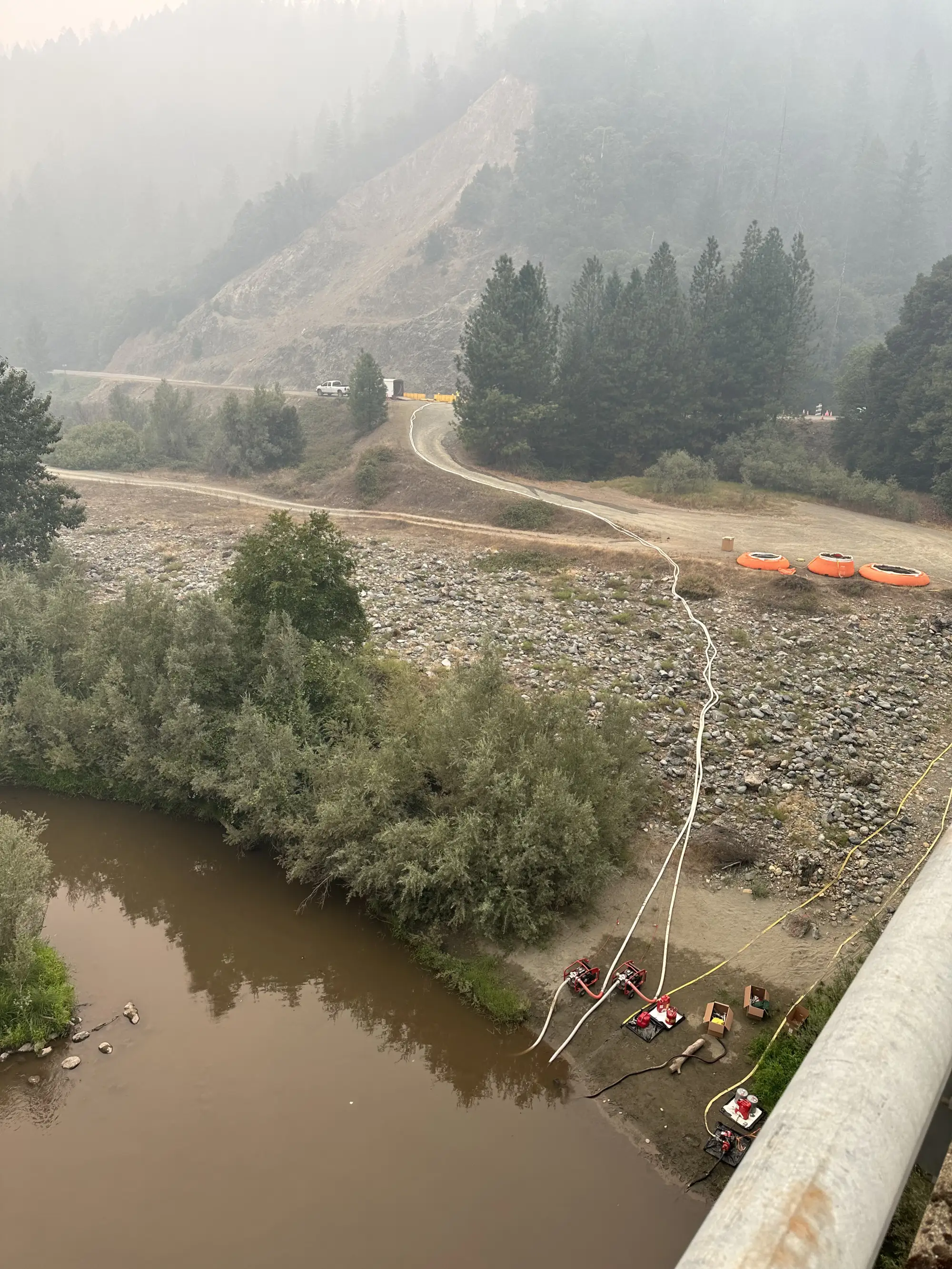
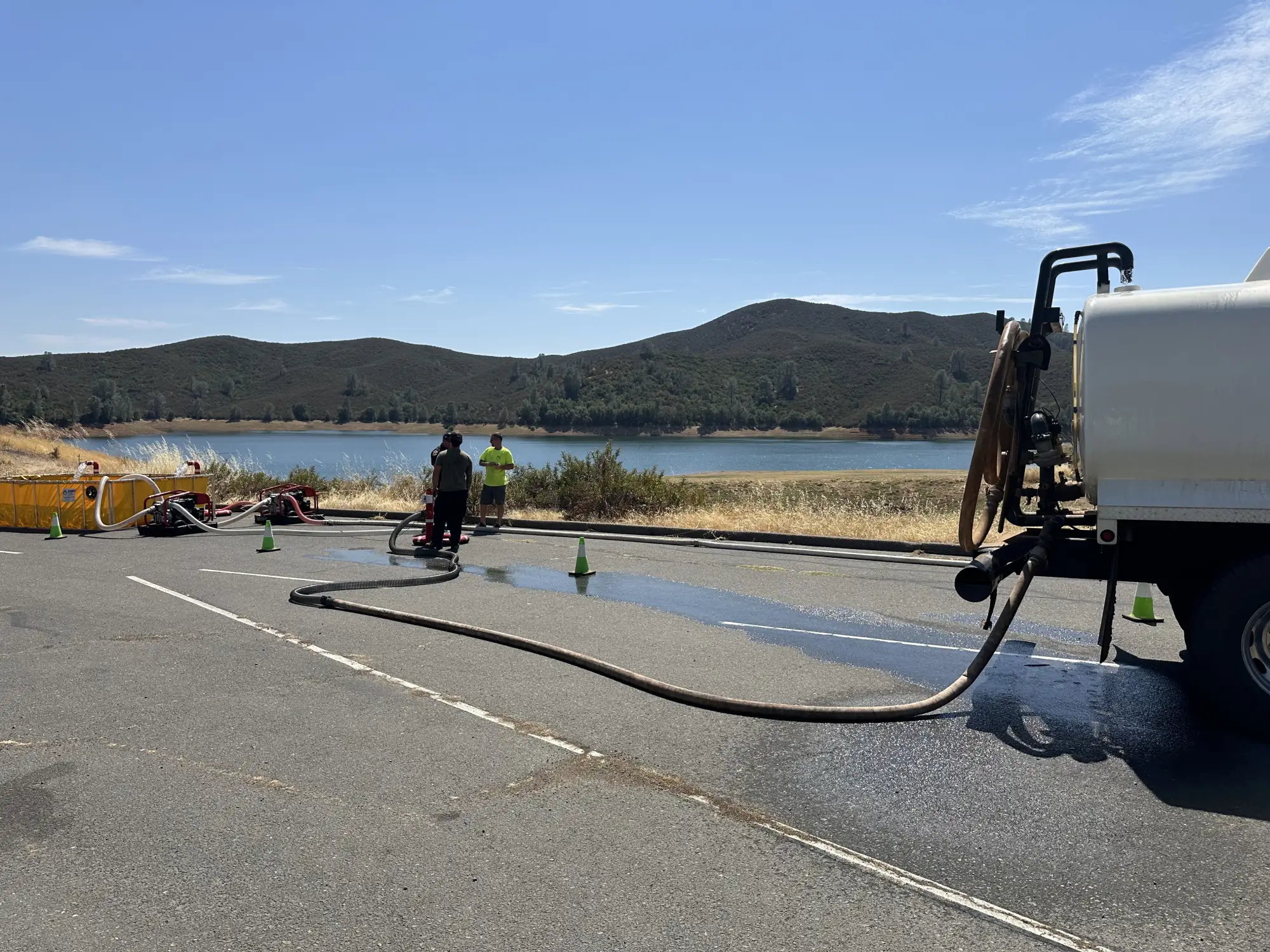
In rural and wildland firefighting, securing a reliable water supply is one of the biggest challenges. Without municipal hydrants, firefighters rely on lakes, rivers, and ponds that are often hard to reach because of steep terrain, soft ground, or poor access roads. Water tenders and engines may travel long distances, sometimes 10 to 20 miles, just to refill. These trips waste time, strain resources, and delay water delivery to the fire line.
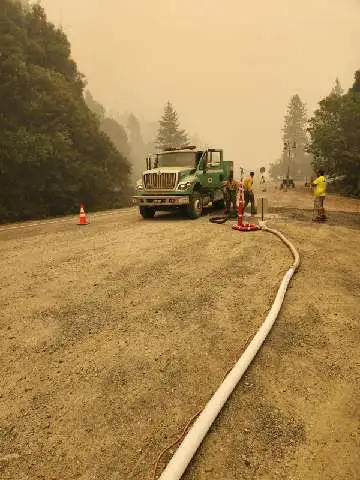
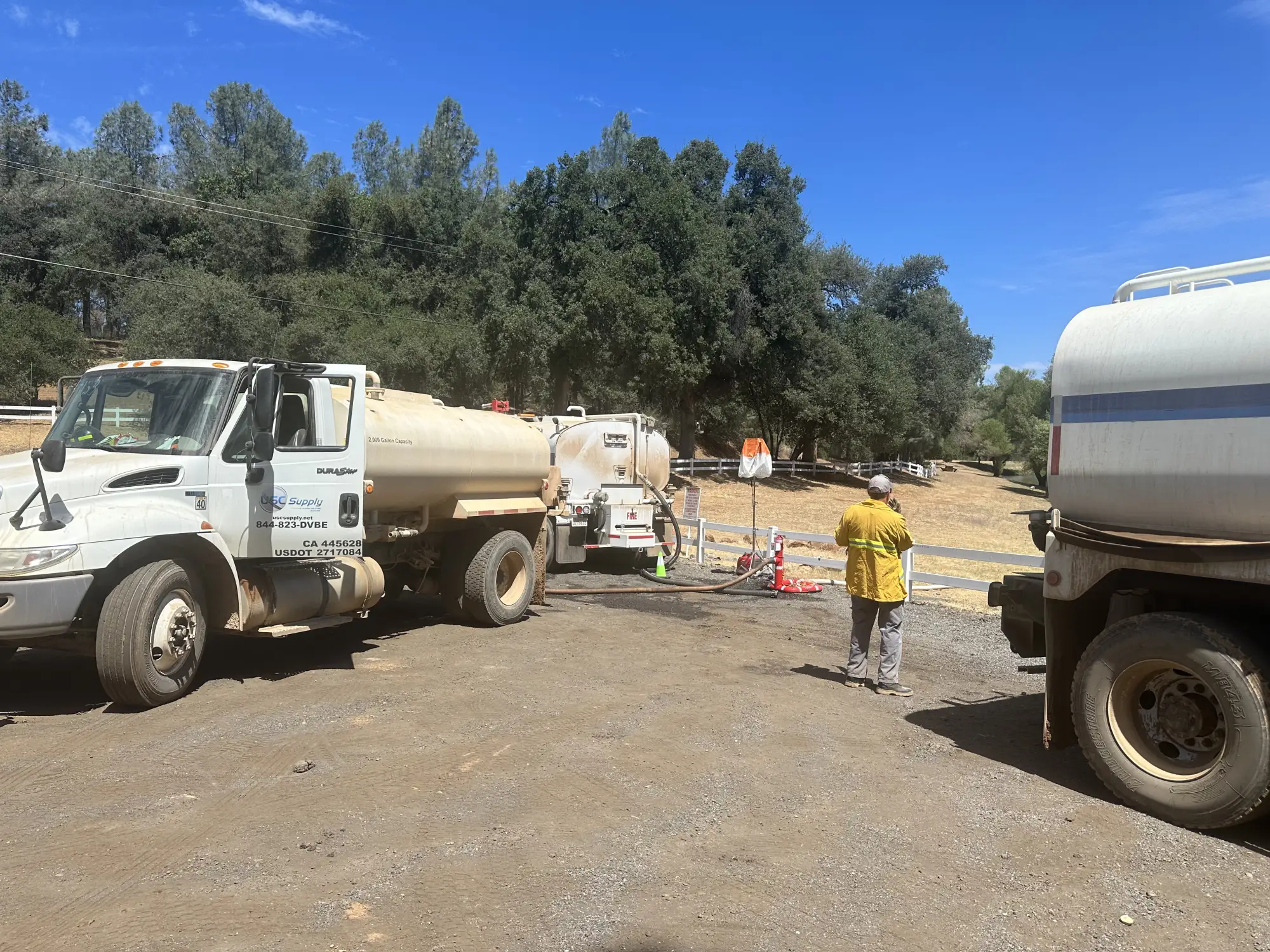
Limited refill points cause long wait times and create bottlenecks during critical operations. Each fill can take up to 30 minutes, reducing efficiency and increasing exposure for operators driving through smoky, low-visibility conditions. Drafting from natural sources also risks disturbing habitats and spreading Aquatic Invasive Species (AIS).
With many tenders operated by contractors who lack formal firefighting training, the risks grow even higher. These challenges underscore the urgent need for safer, faster, and more efficient water access solutions in rural firefighting.
