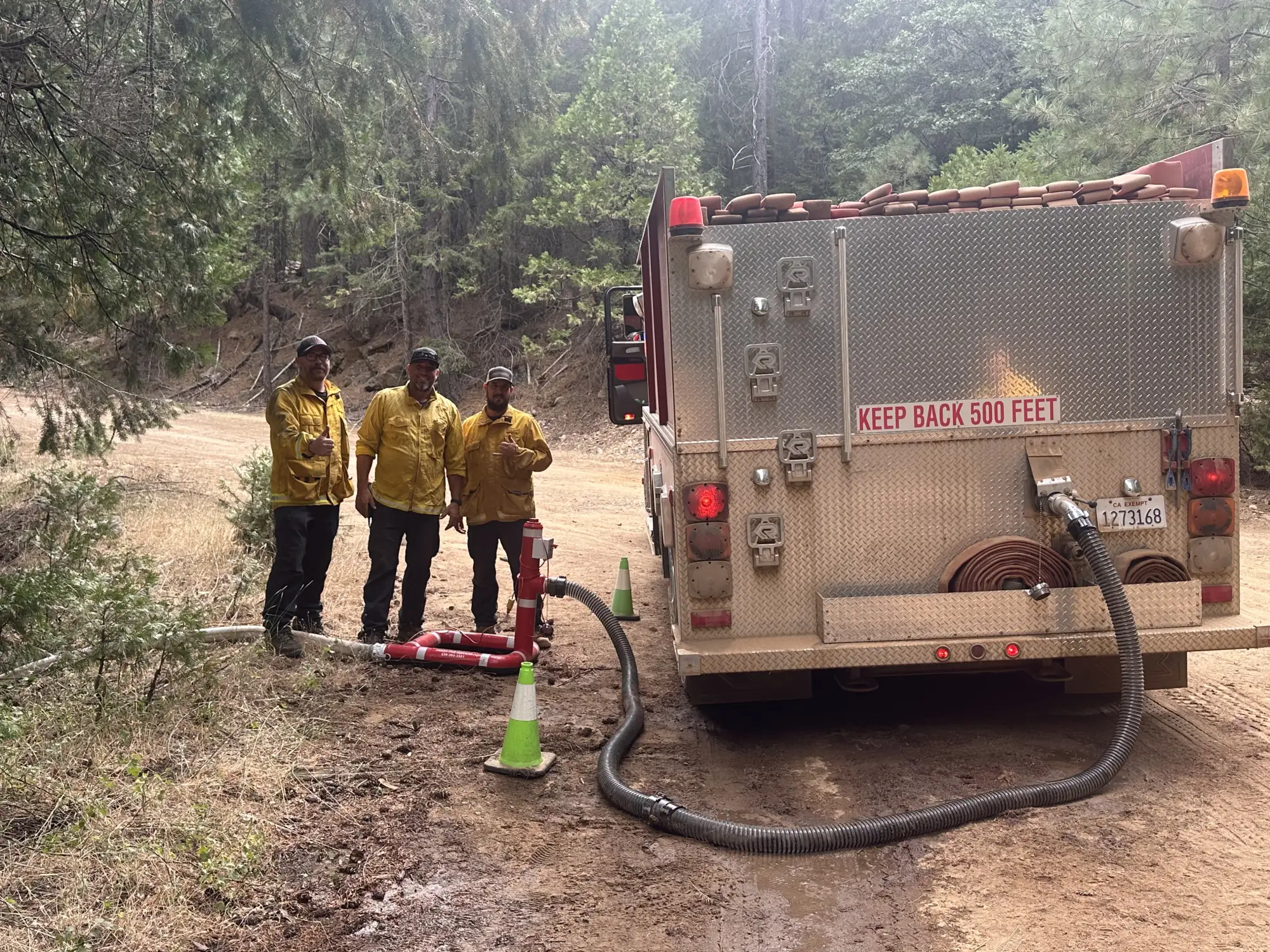
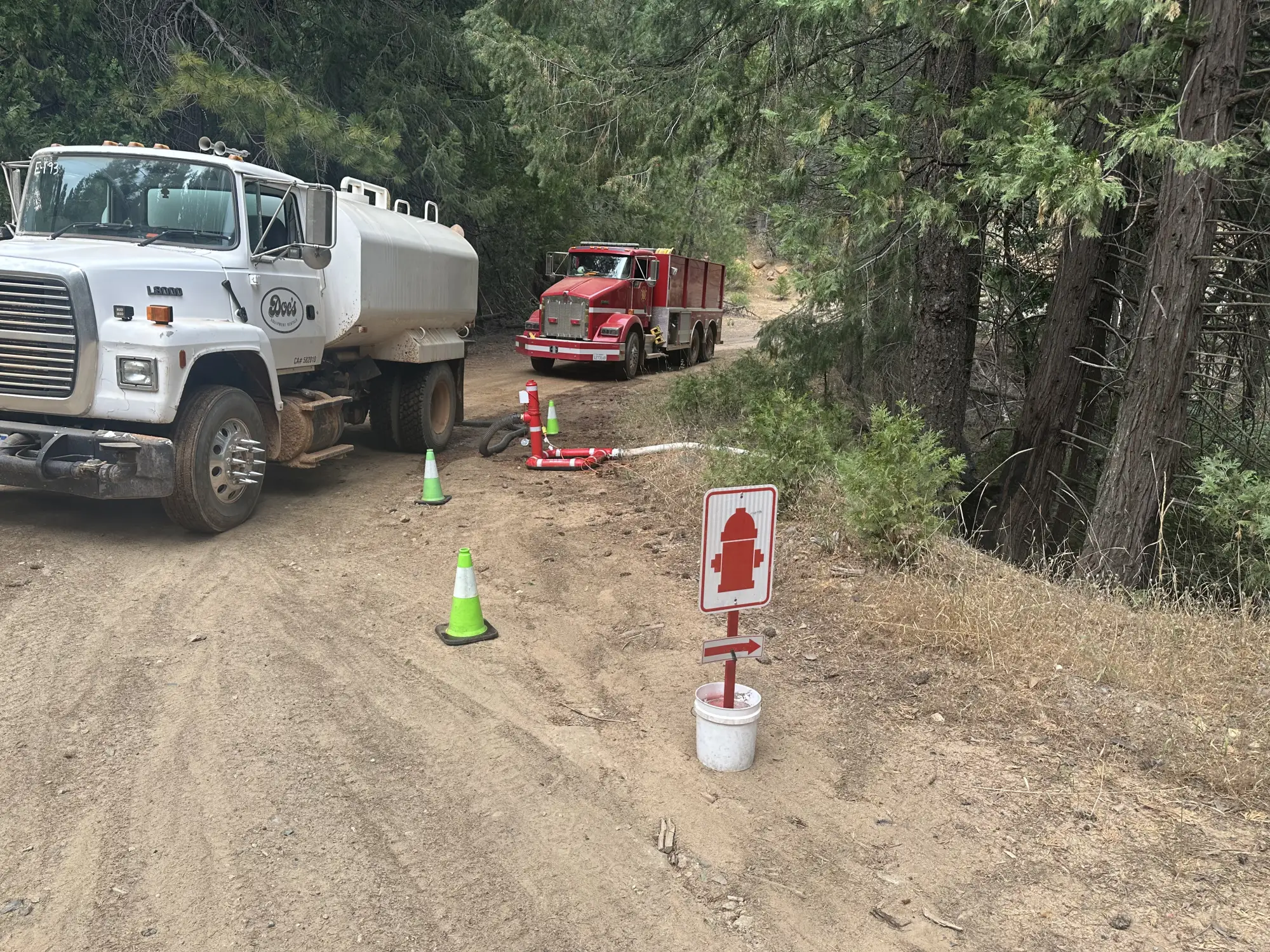
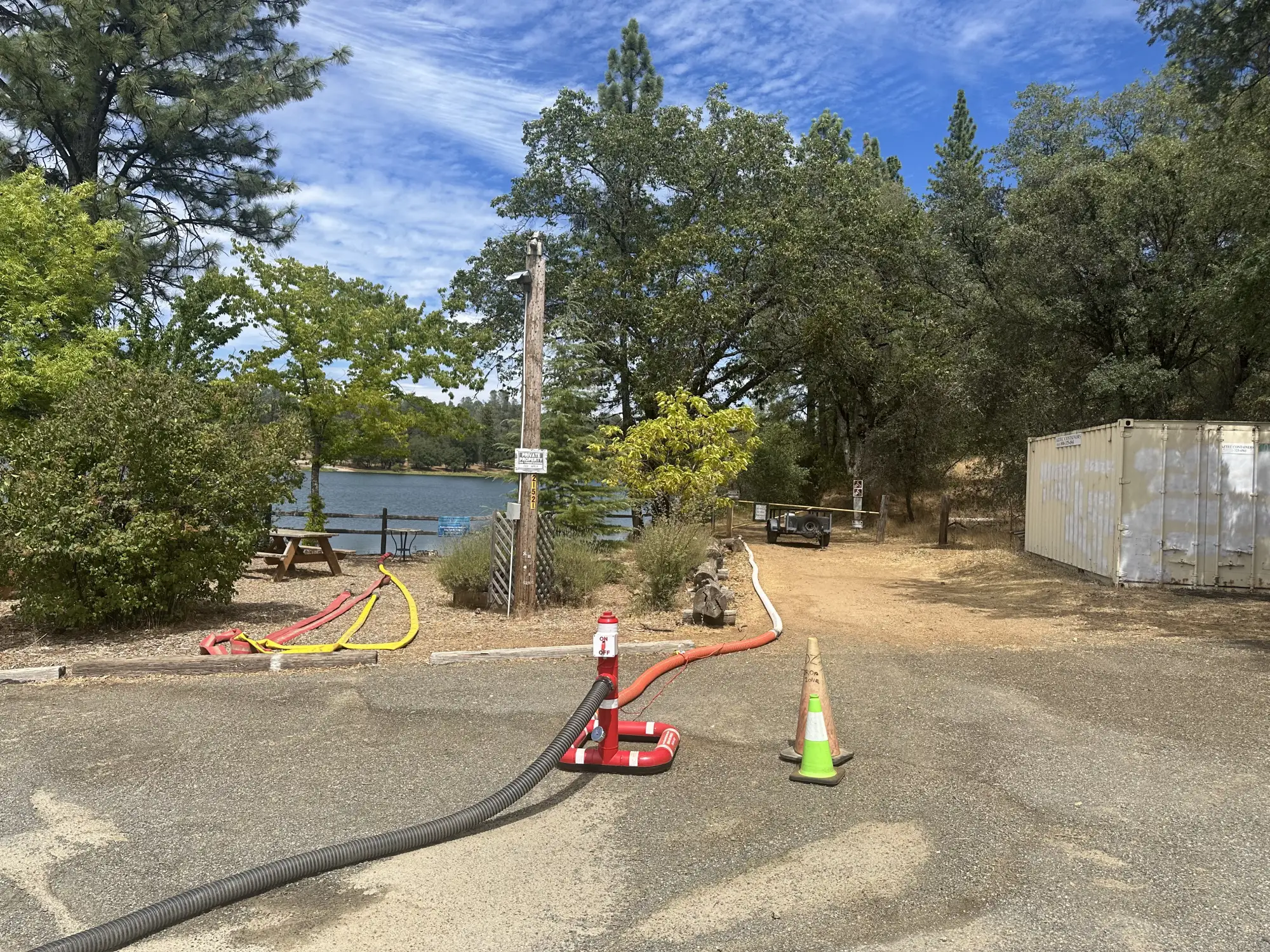
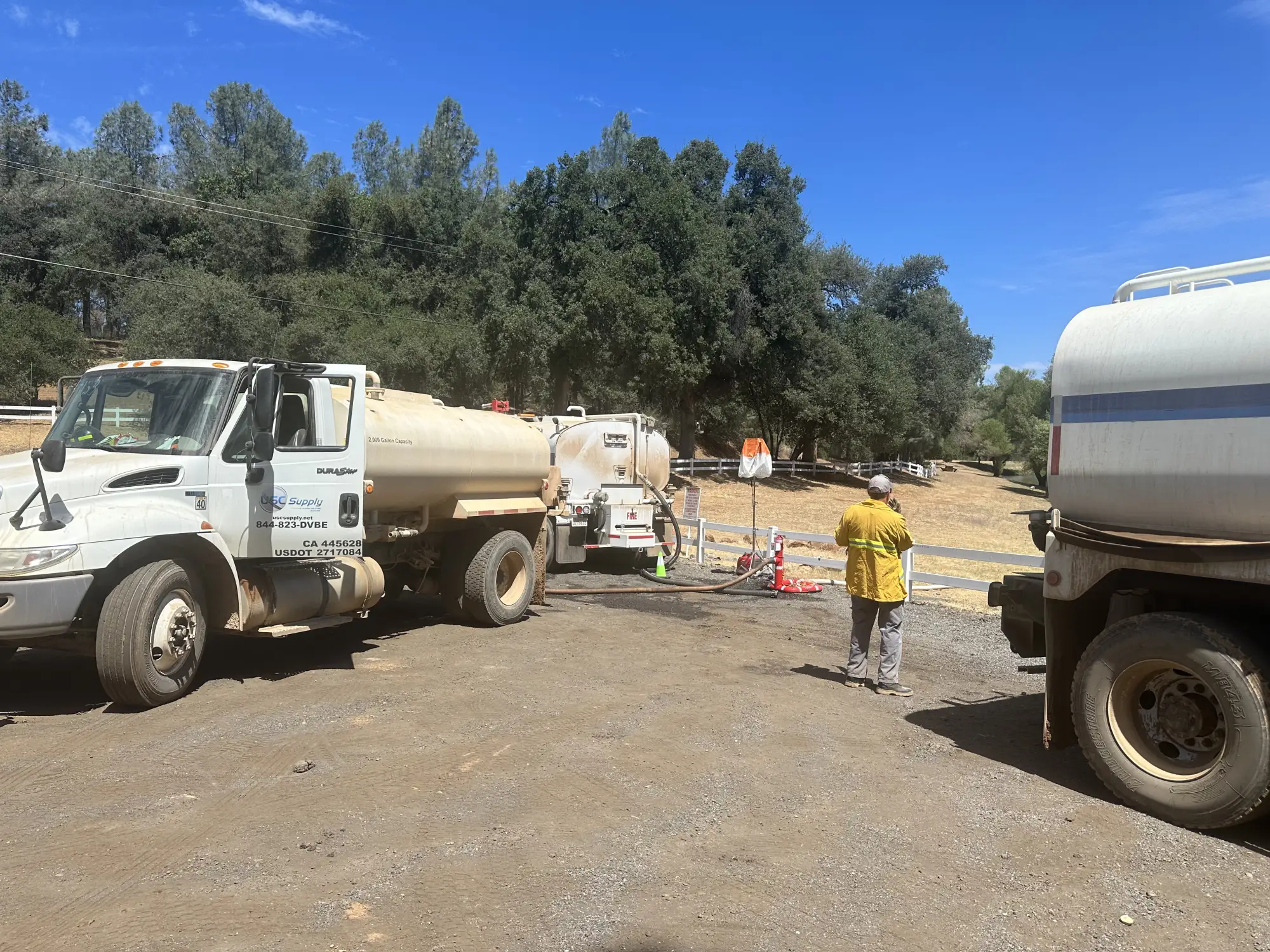
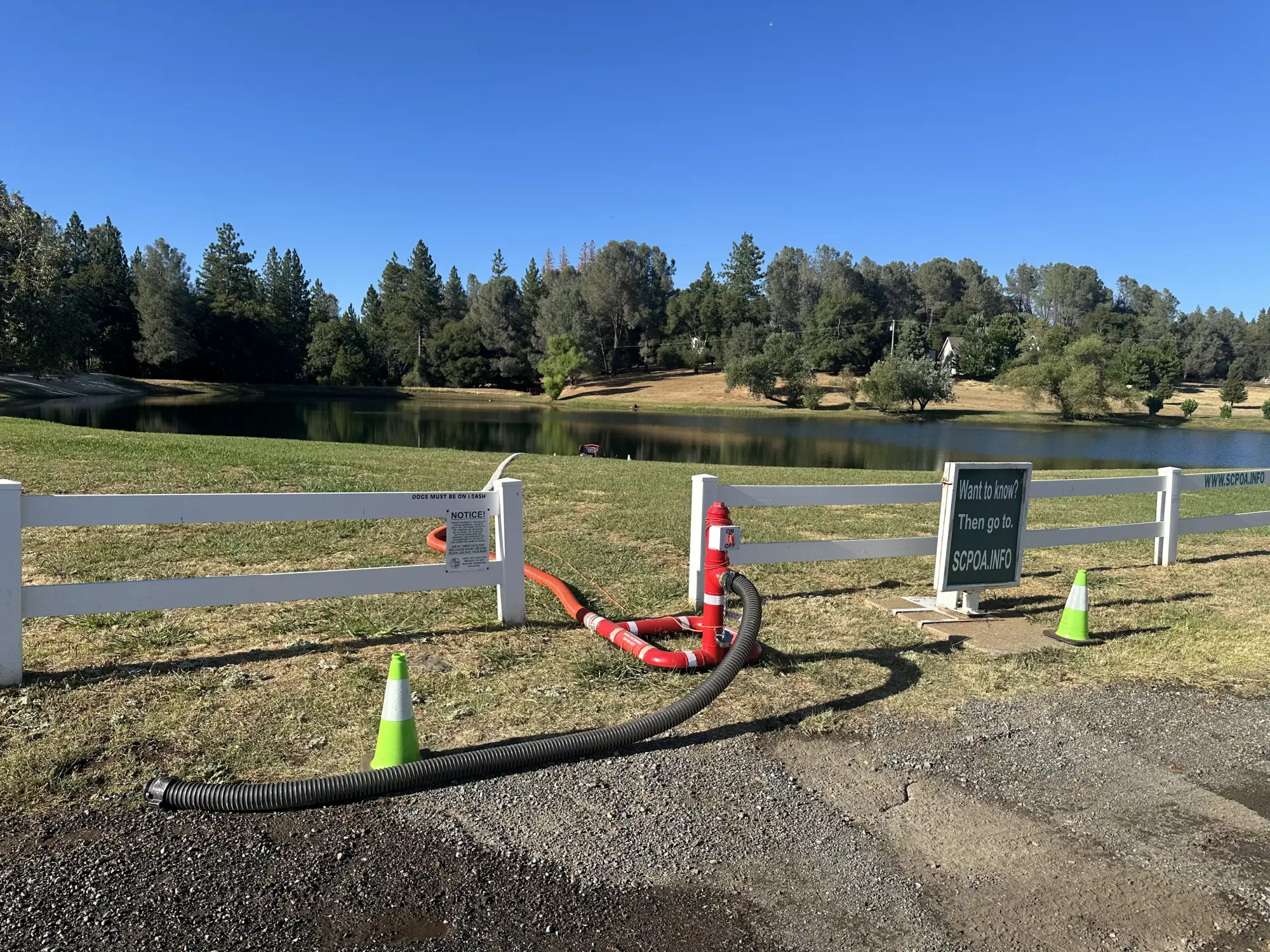
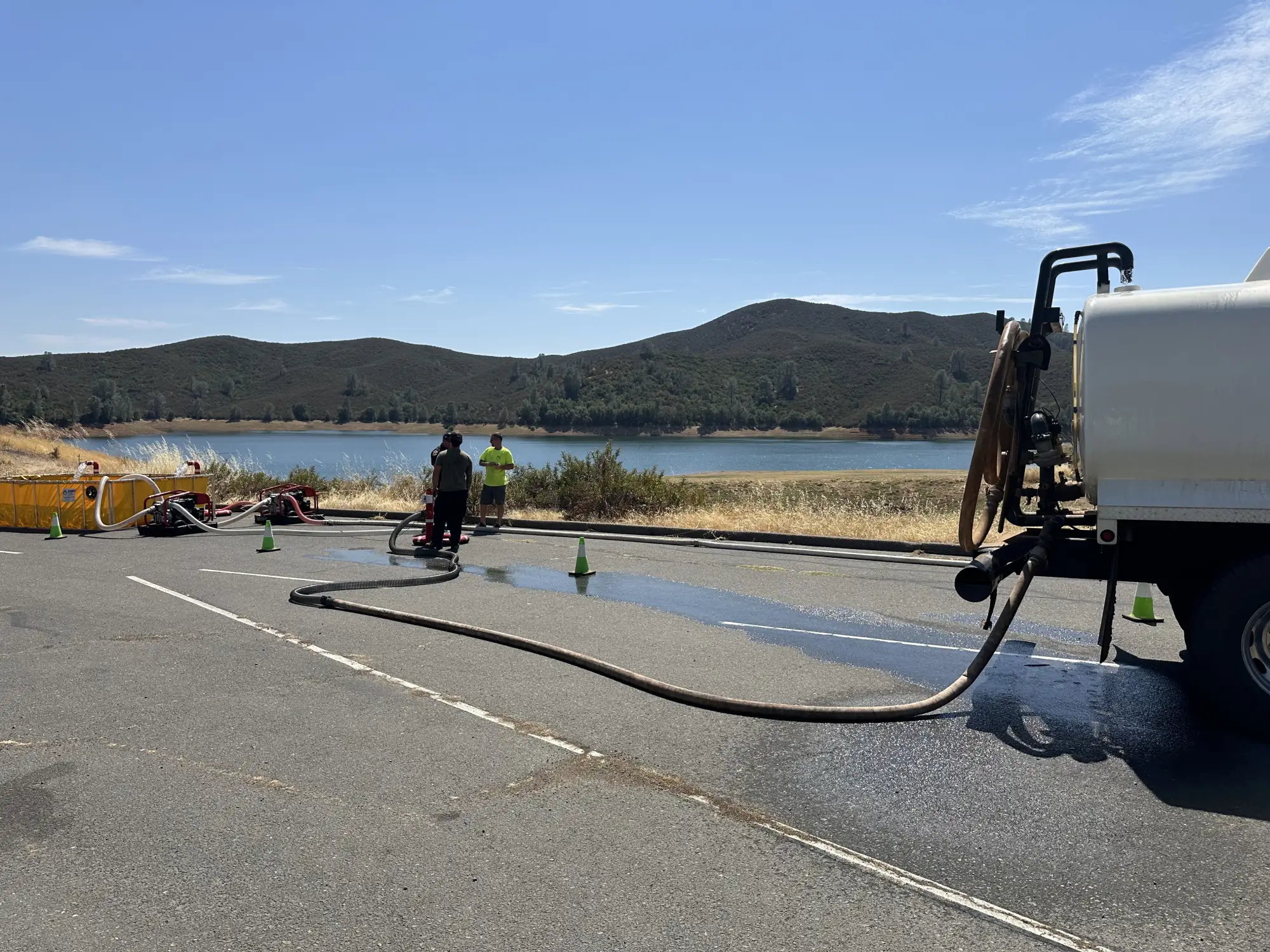
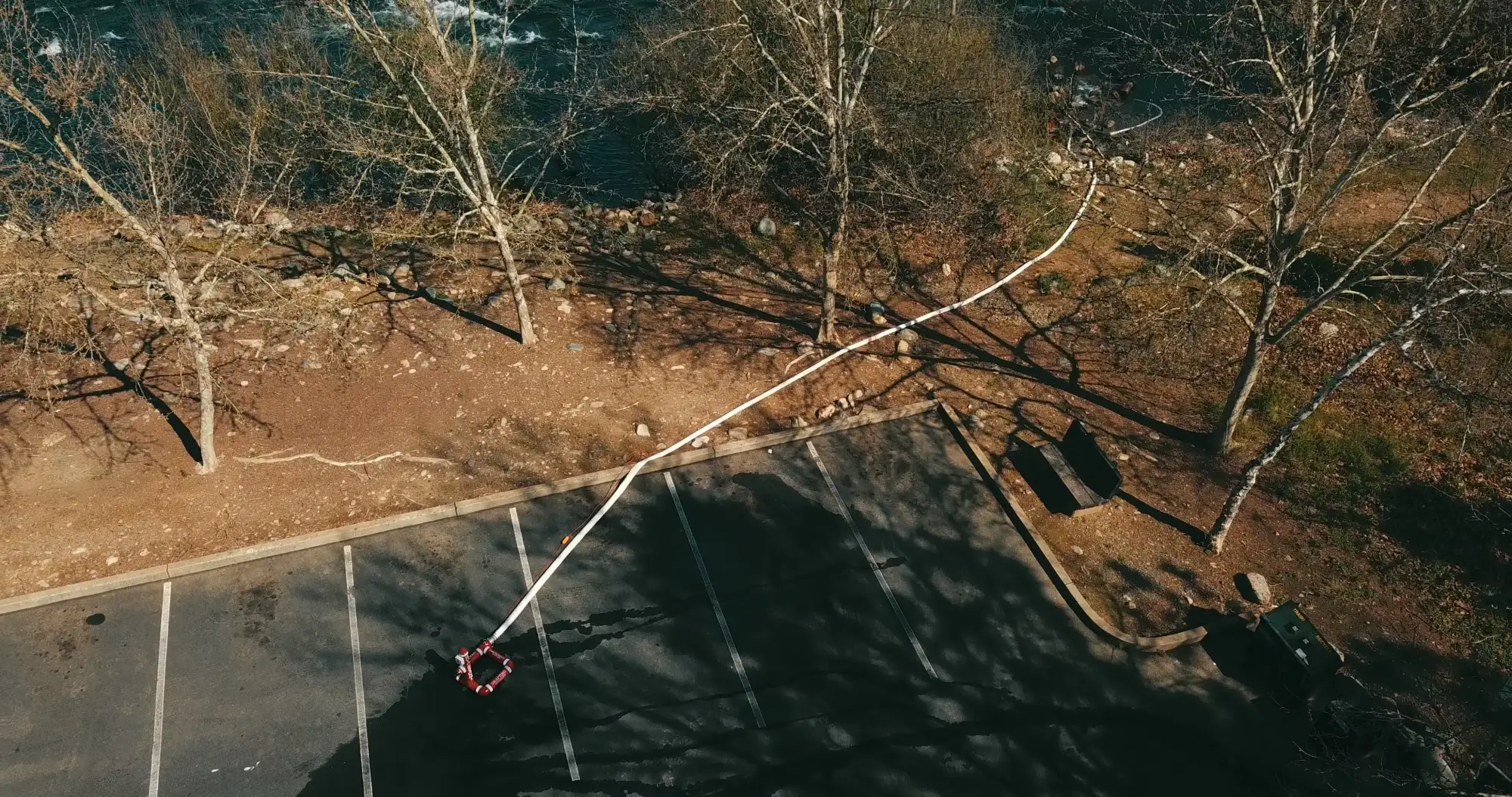
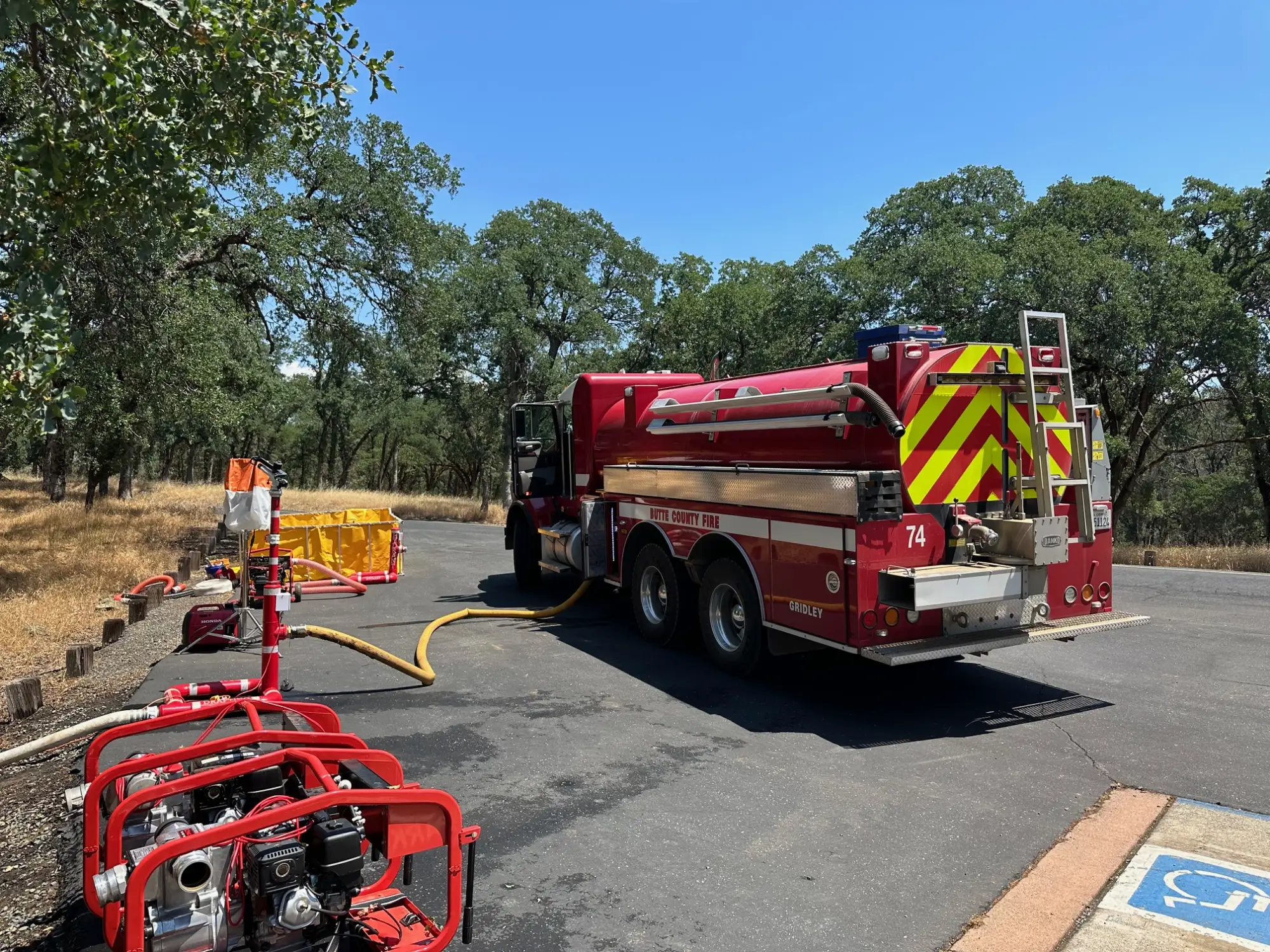
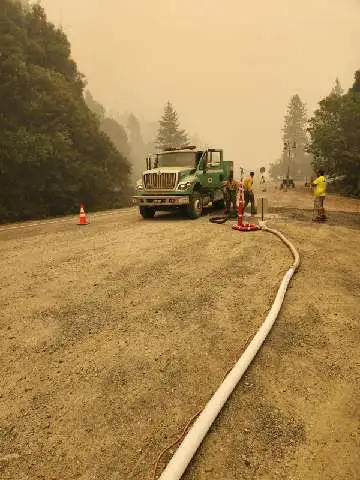
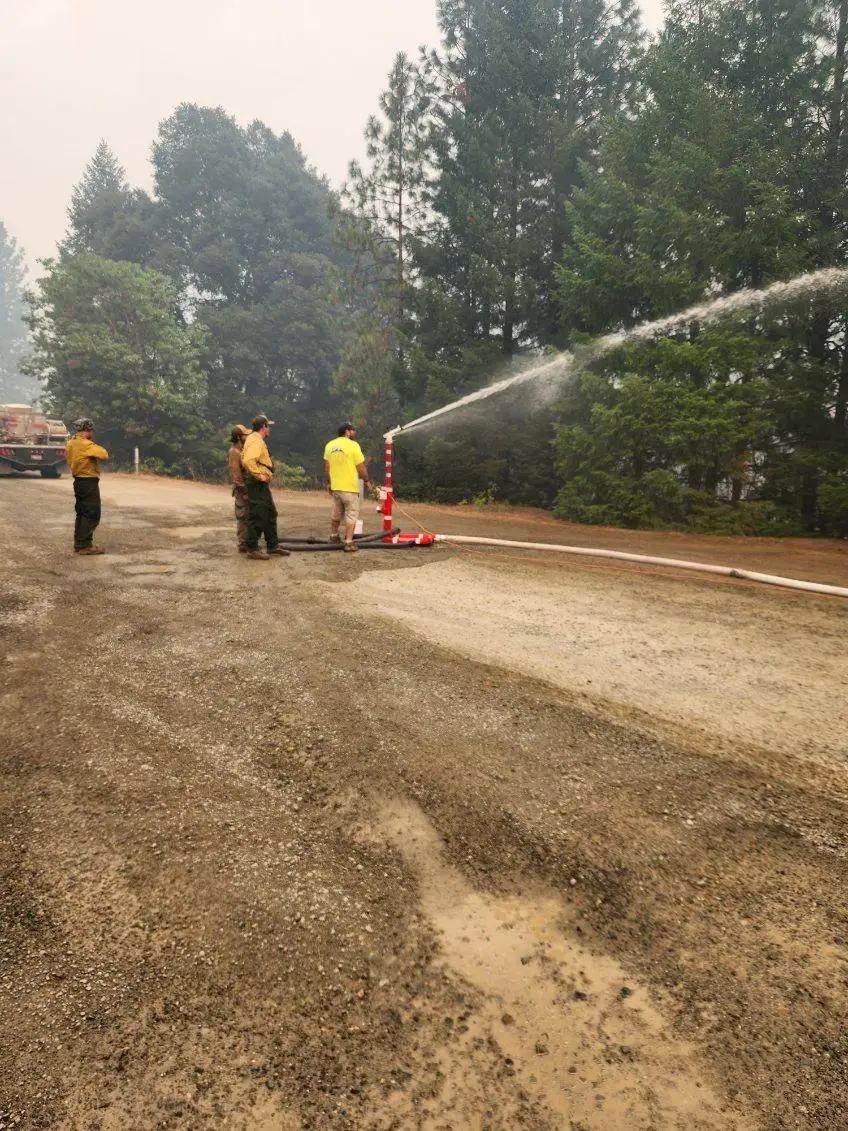
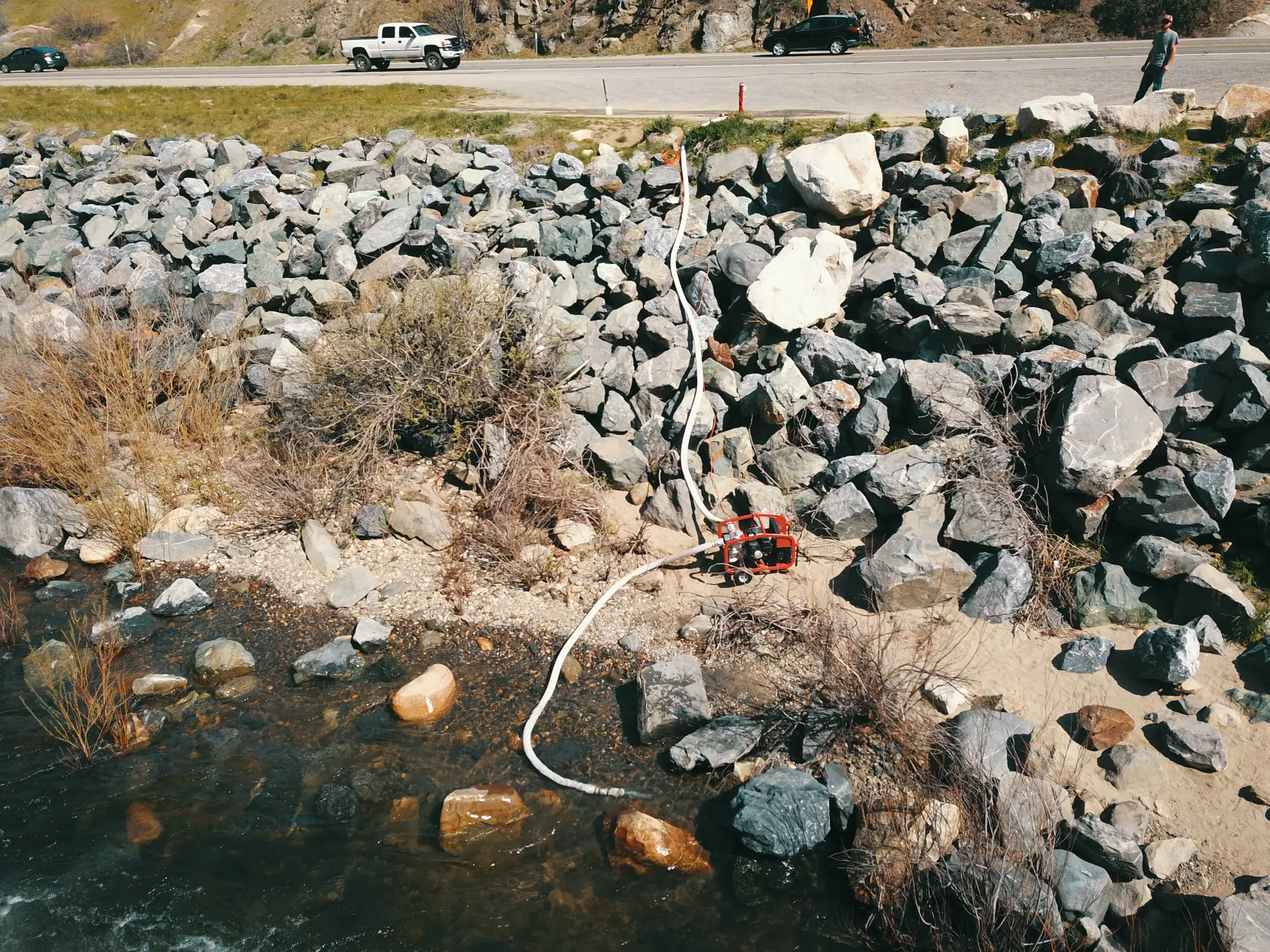
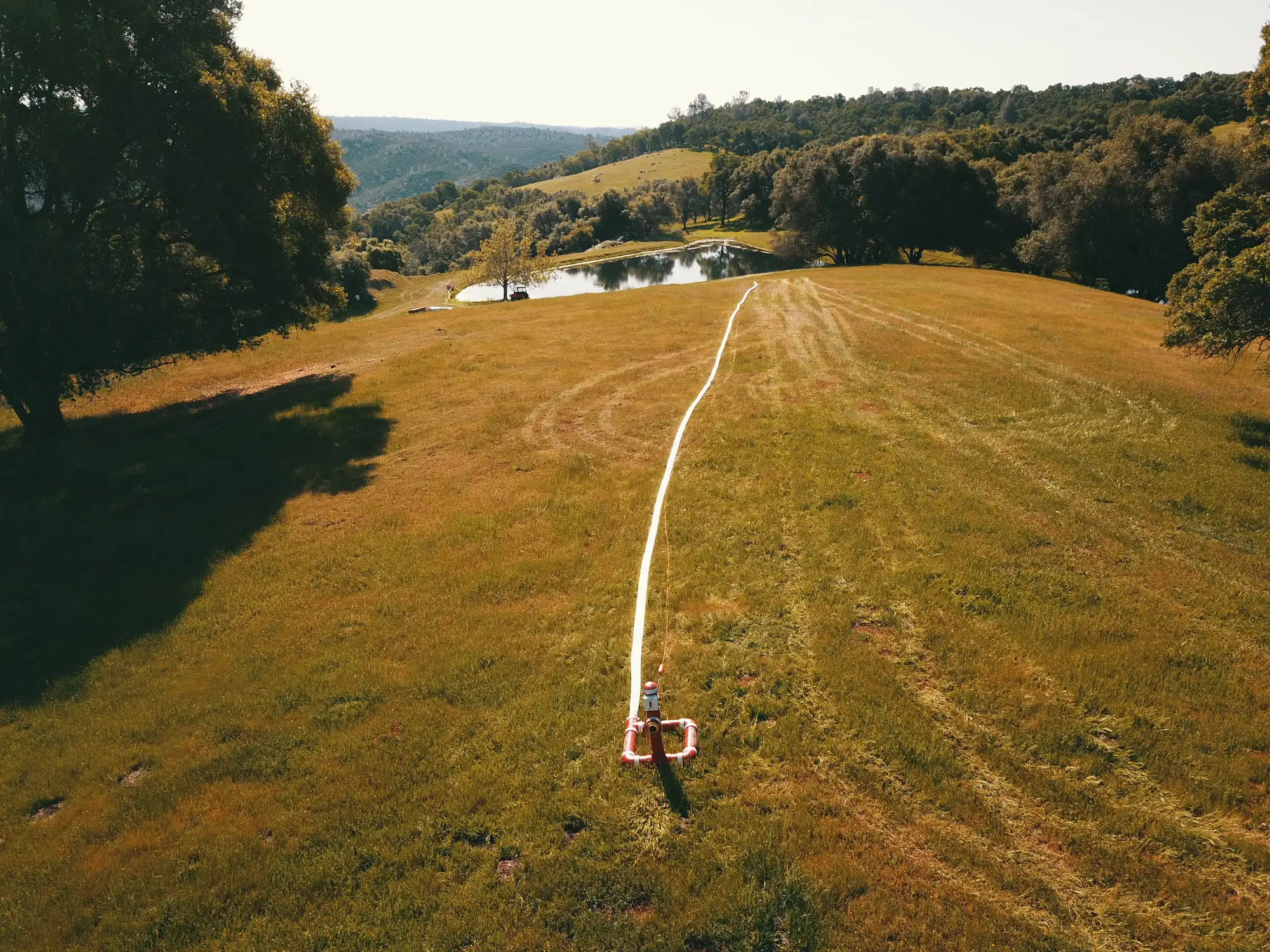
The Remote Hydrant System delivers a smarter, faster, and safer way to access water in rural and wildland firefighting. Built for real-world conditions, it turns hard-to-reach water sources into reliable roadside hydrants within minutes. With rugged construction, remote operation, and 24/7 readiness, it helps crews save time, reduce risk, and maintain continuous water flow where it’s needed most.
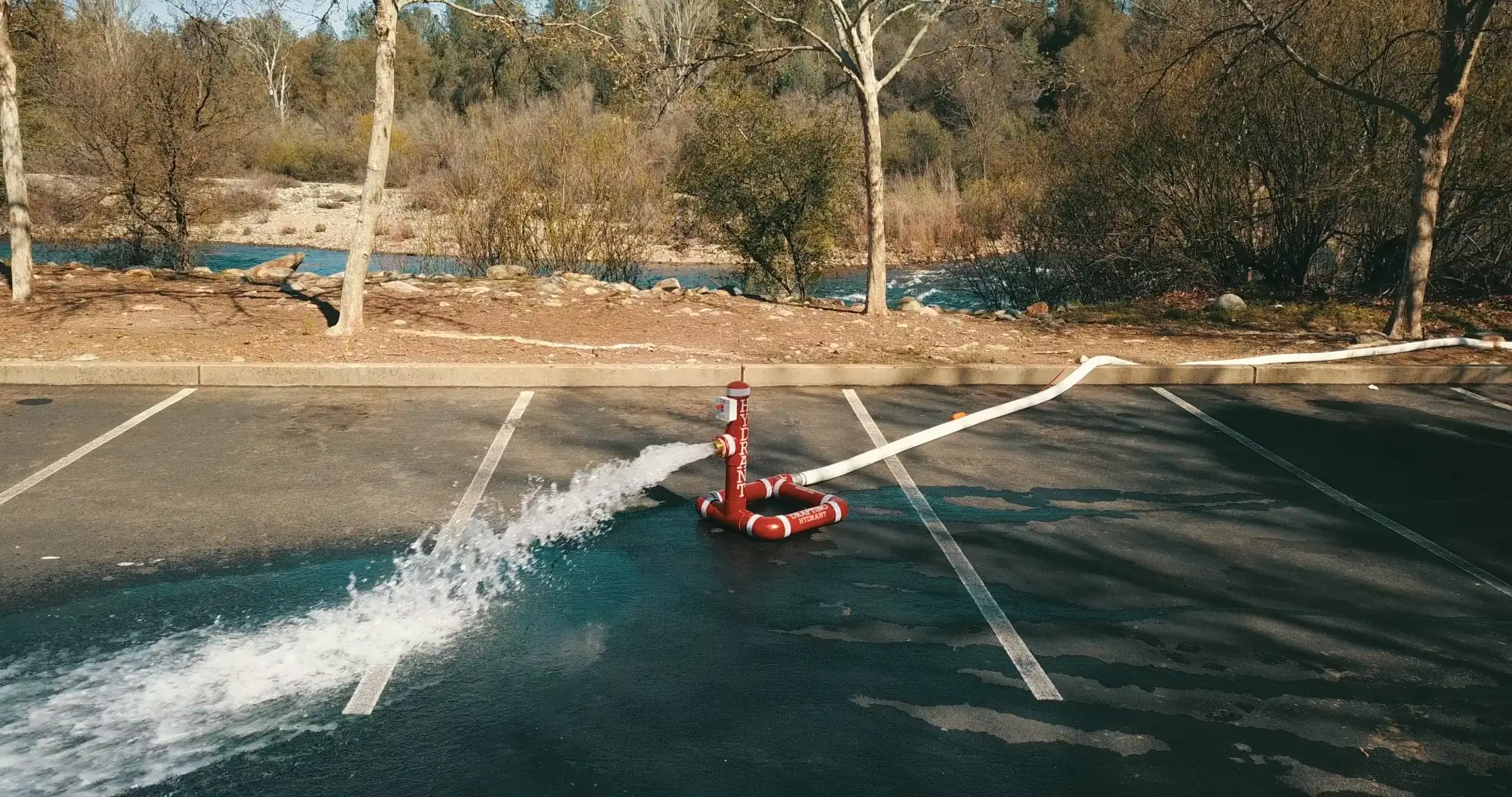
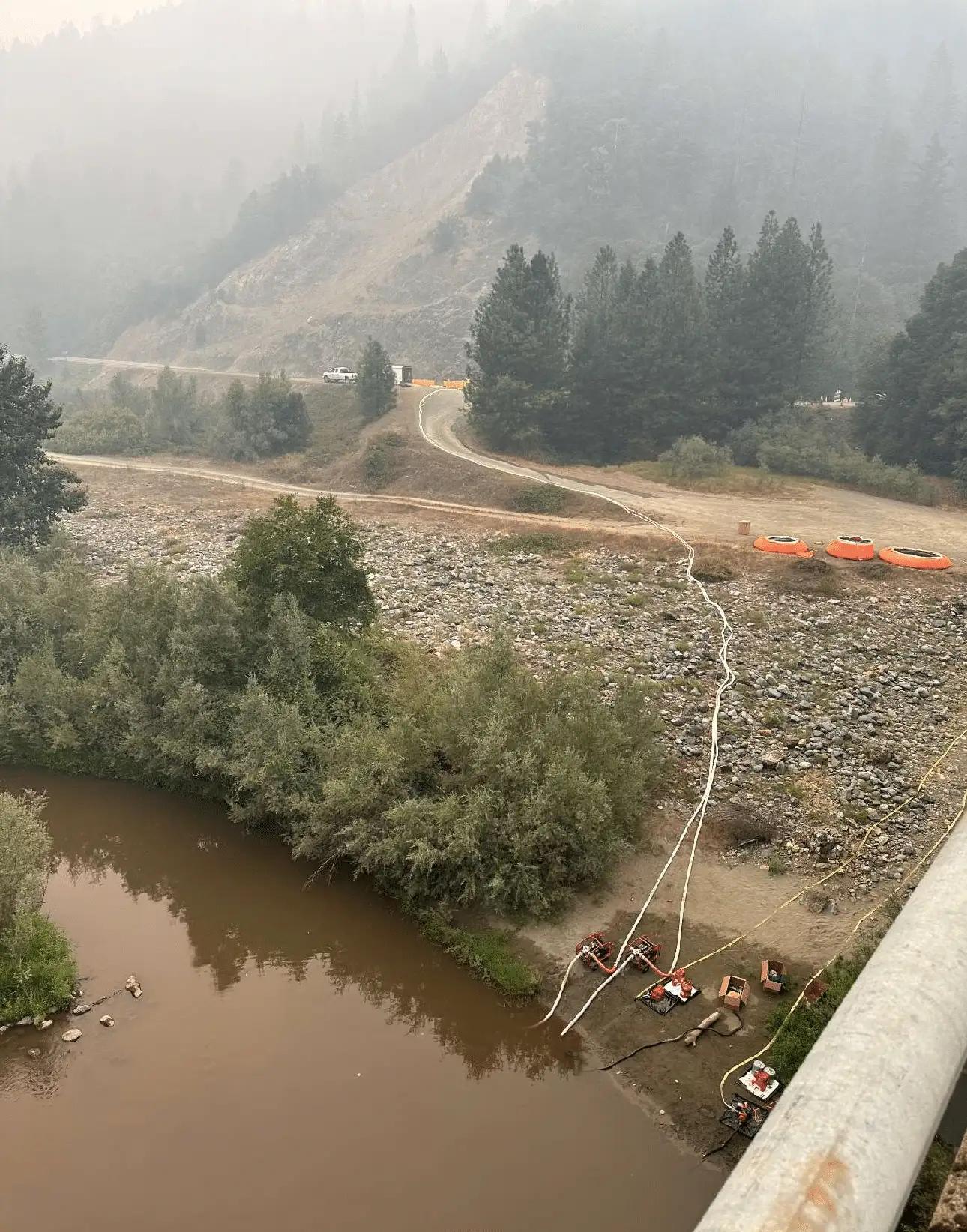
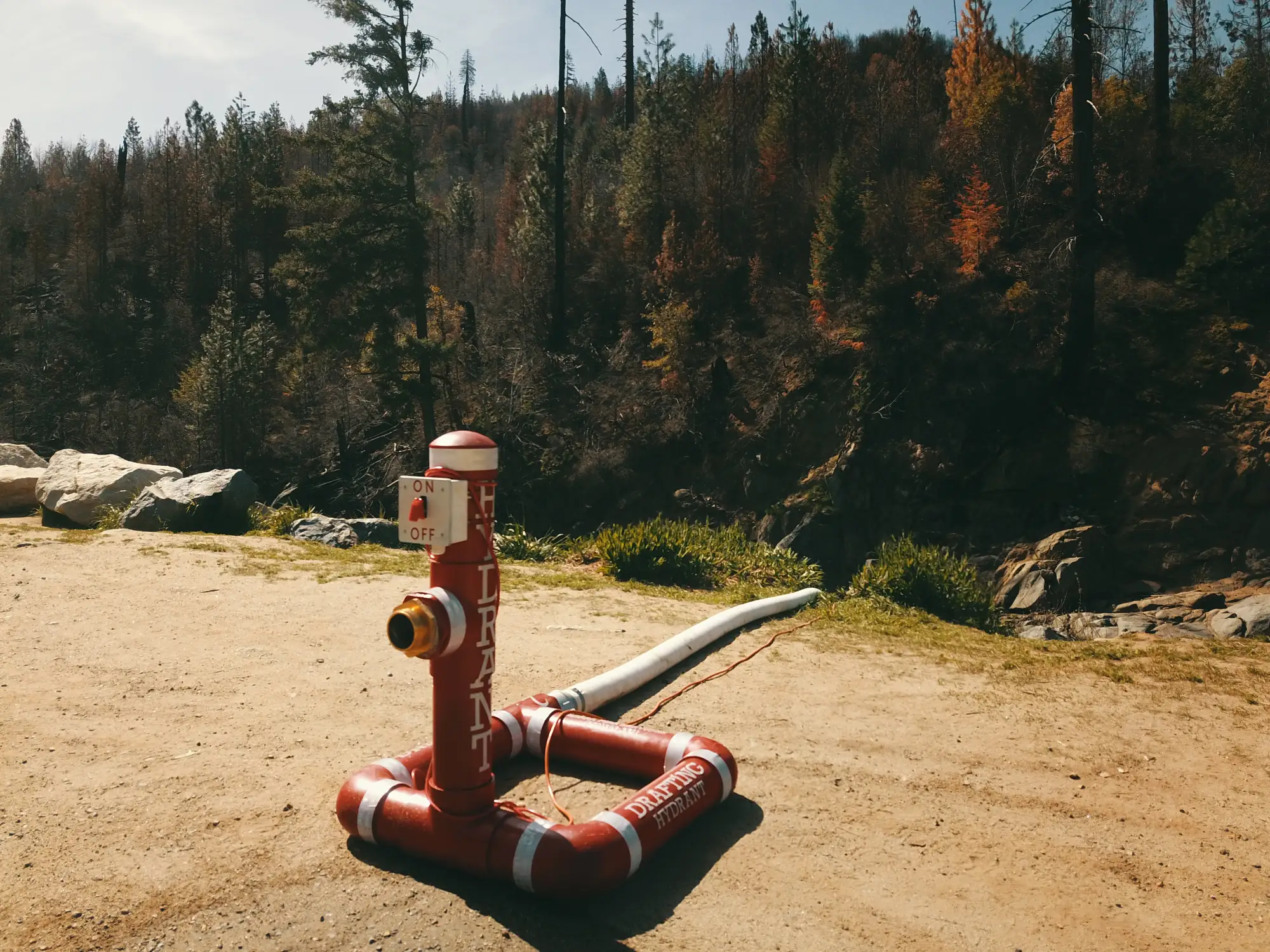
The Remote Hydrant comprises two primary operating components: the pump and hydrant, each with detailed specifications listed below. Complementing these key elements are Remote Hydrant accessories, including a 3-inch polyester double jacket forestry hose, a signal line connecting the pump and hydrant for remote pump control, various strainer types (e.g., low flow, floating docks), fish-friendly intake screens, and pump spillage containment mats.
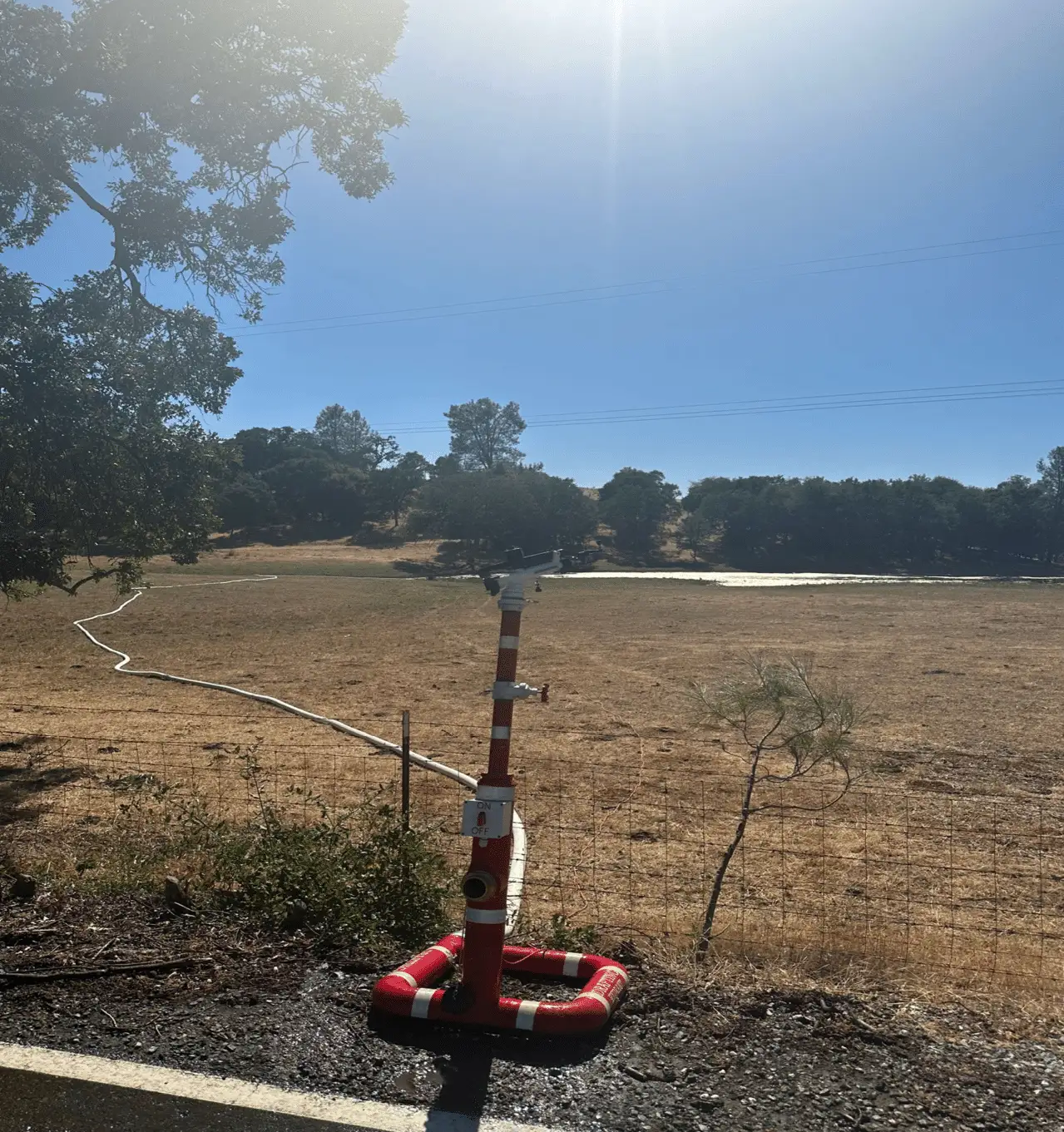
This device is strategically positioned in an easily accessible area for personnel. It can be located up to 500 feet (single pump) away from the pump situated at the water source. The pump control operation is integrated into the hydrant; switching it on sends a signal to the water source pump, initiating pumping, and switching it off shuts down the pump, placing it into standby status.
• Constructed from 4-inch schedule 40 6061 aircraft-grade aluminum, fully welded.
• All machined parts are constructed from 6061 Aluminum.
• Powder-coated finish.
• 3-inch cam-lock input fitting.
• 3-inch NPT accessory port connection.
• 2.5 NH output connection.
• 200 Ft onboard control line
• Maximum distance from pump: 500 feet (Single Pump).
• Dry weight 65 lbs.
• Operational weight 125 lbs. (ballast-filled)
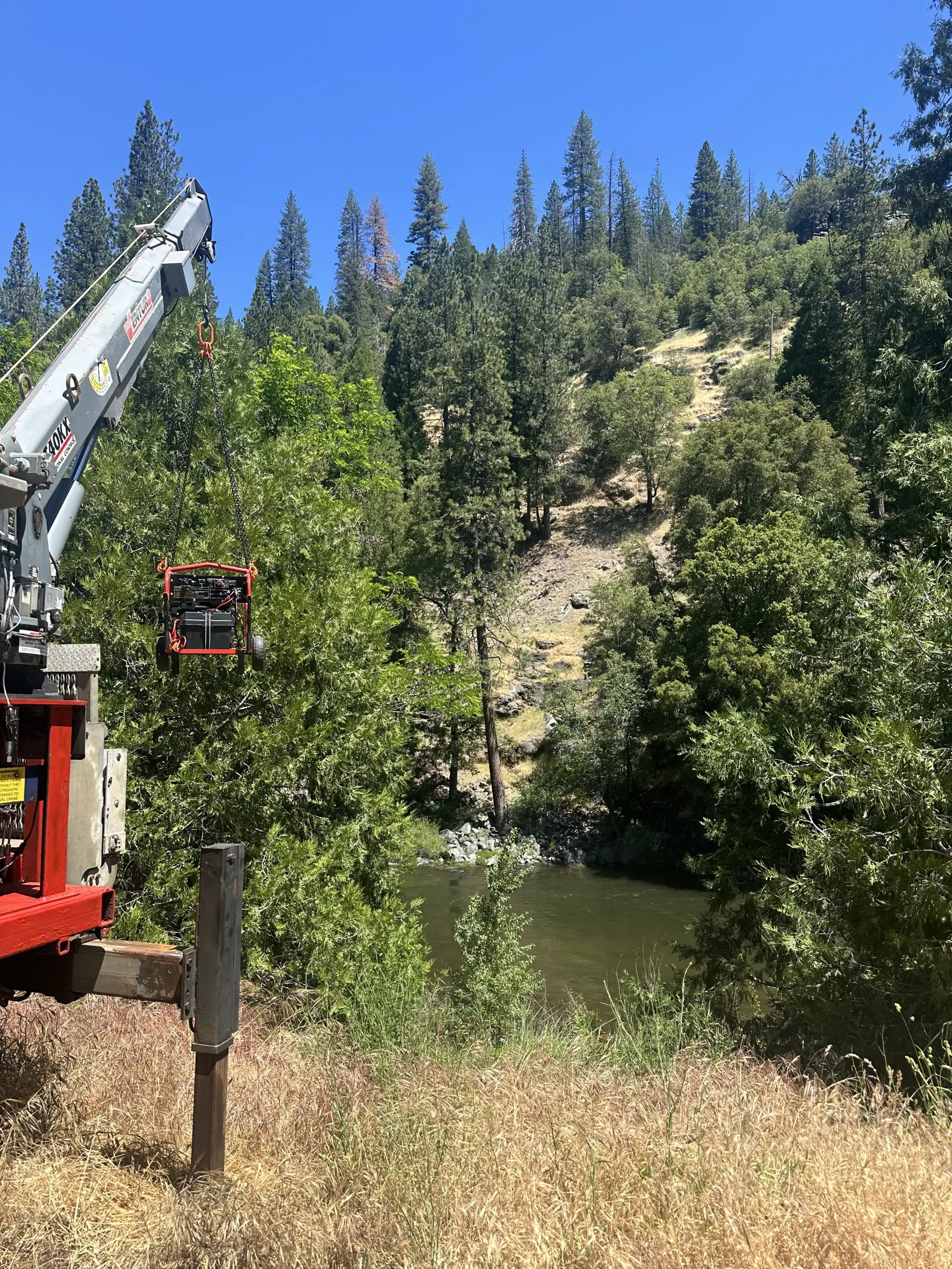
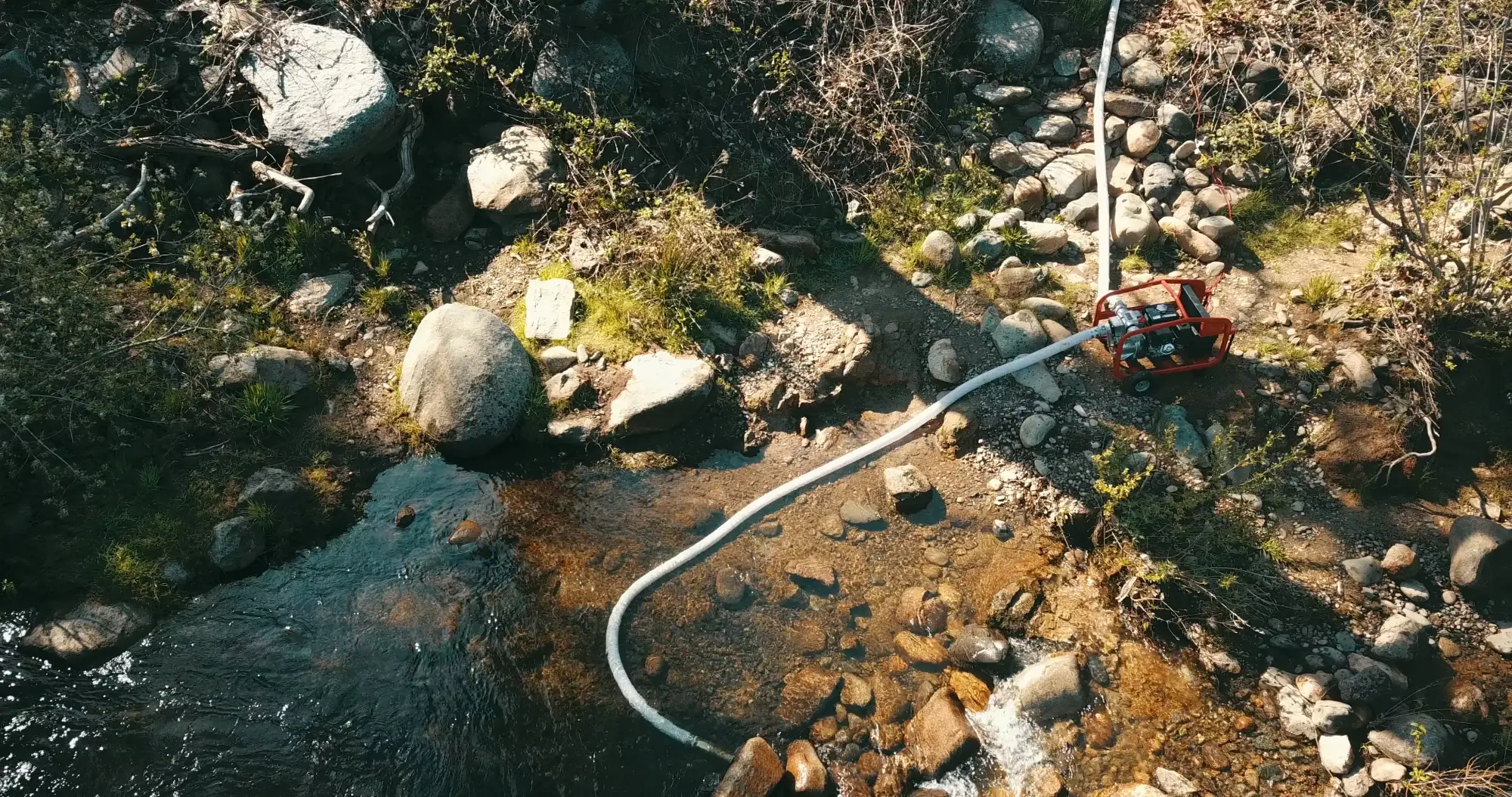
A robust gas-powered pump capable of delivering up to 400 GPM, yet compact enough for placement in challenging areas with limited access. The pumps can be manually wheeled to the water’s edge or winched/craned into place depending on the terrain. Notably, the pump can be started remotely from the hydrant, conveniently positioned roadside.
• Max GPM: 400
• Max PSI: 40
• Max Head: 95 feet
• Max Suction Lift: 27 feet
• Dry weight: 200 lbs.
• Continuous run time: up to 6.5 hours between fueling
• 3-inch hard suction hose with strainer and fish-friendly screen.
• 3-inch cam-lock fittings on pump input and output connections
• Internal pump check valve
• Water Usage Metering/Tracking
The Remote Hydrant was designed and engineered to be adaptable, addressing a myriad of potential scenarios that may arise during firefighting incidents. Similar to all pumps, Gallons Per Minute (GPM) are influenced by a broad range of variables, such as head, line loss, and elevations, all impacting the GPM delivered to the hydrant. The hydrant has the capability to run multiple pumps simultaneously, allowing them to operate in parallel or series. This collaborative effort ensures the delivery of an acceptable GPM to a single hydrant when required. In extensive testing, the hydrant has been proven effective at distances up to 1000 feet from a water source and with over 200 feet of head when multiple pumps work in unison.
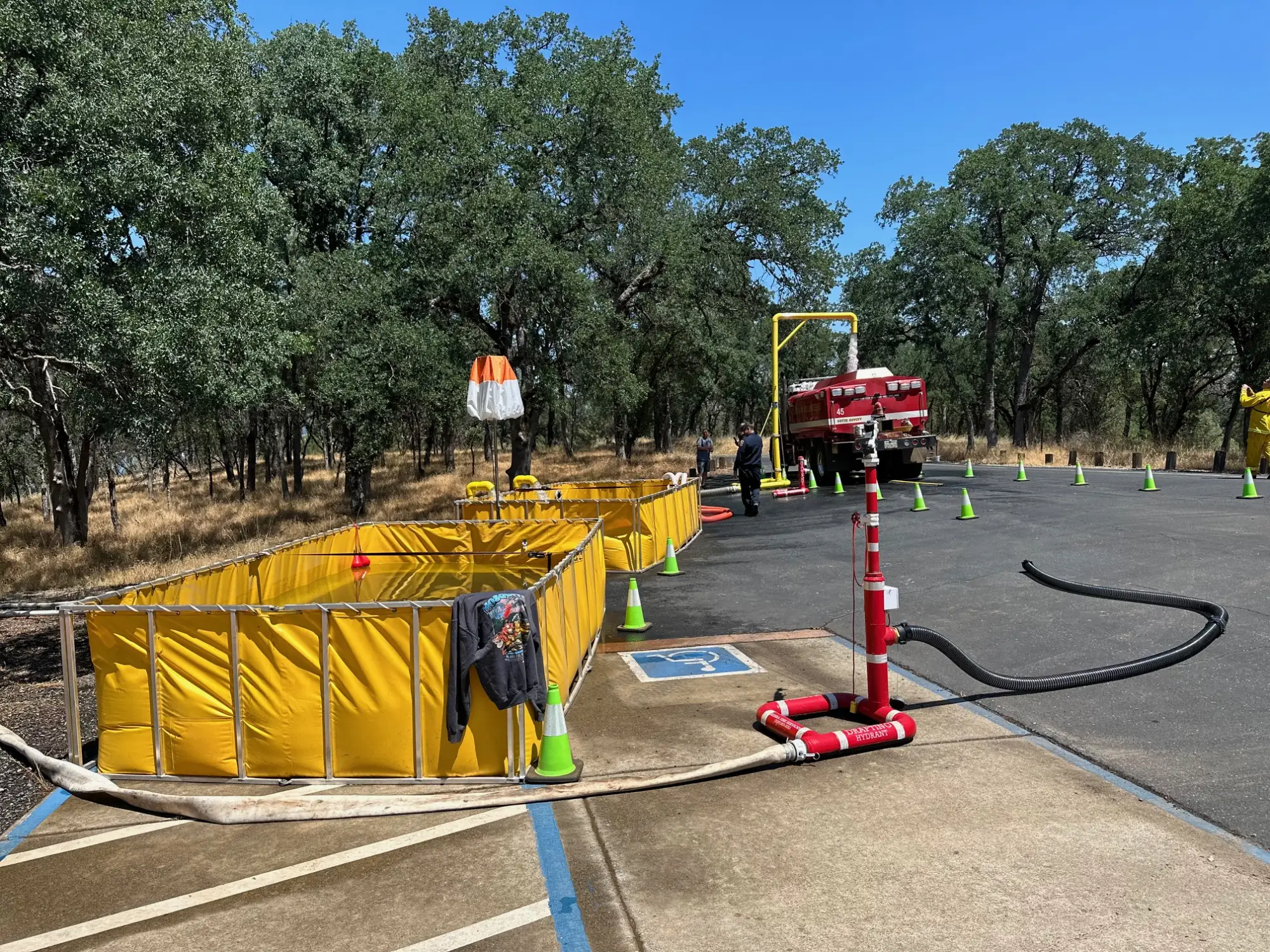
The accessory port situated atop the hydrant provides additional functionality, by adapting the hydrant into a filling stand for drop tanks. In this configuration, the drop tanks are equipped with an auto-fill feature. When a drawdown is detected by the hydrant from the tank, an automatic signal is transmitted to the pump, initiating the filling process. Upon reaching full capacity, the system shuts down automatically. Notably, drop-tanks can be positioned up to 500 feet (single pump) from a water source, presenting potential applications in structure protection, serving as a filling point for helicopters.
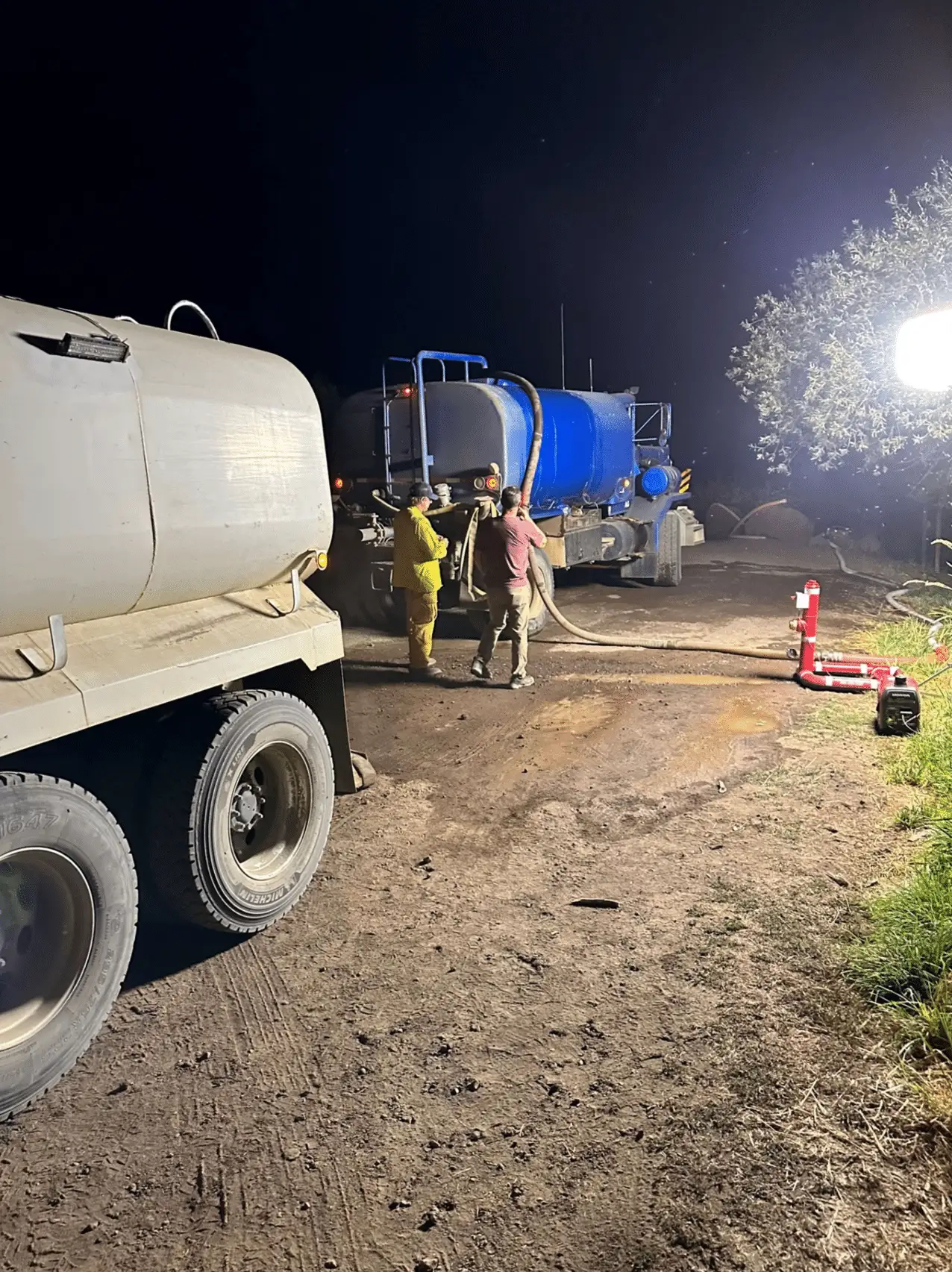
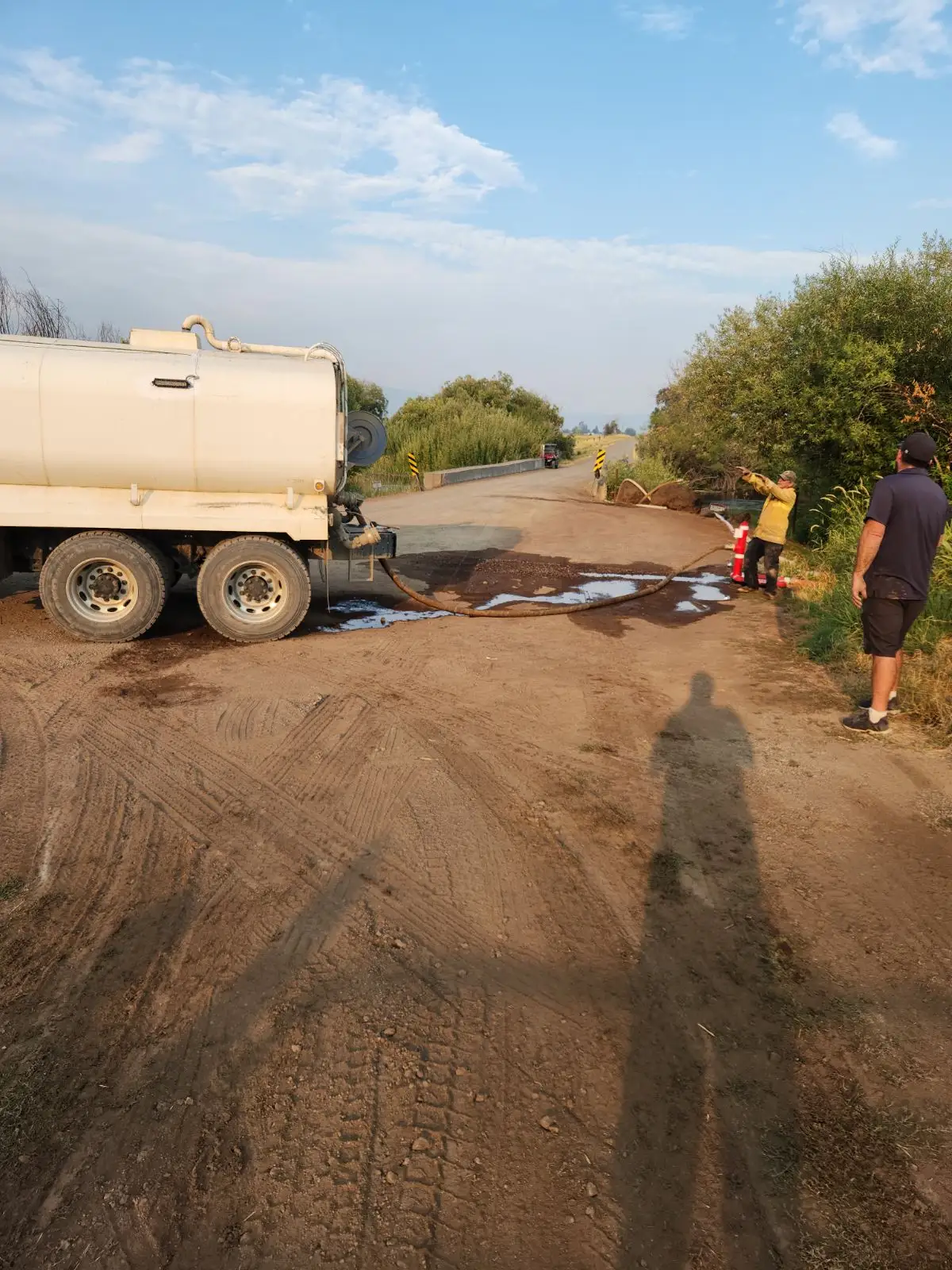
The Remote Hydrant System was engineered to solve the most time-consuming and dangerous aspects of water delivery in remote firefighting. By reducing refill times by up to 75% and enabling multiple tenders to fill simultaneously, crews can stay focused on suppression instead of long-distance shuttling. Relocating the water access point to stable, accessible areas keeps personnel out of harm’s way while maintaining a continuous water supply when every minute matters.

Cuts fill times by up to 75% and allows multiple tenders or engines to refill at once, keeping water flowing efficiently during critical operations.
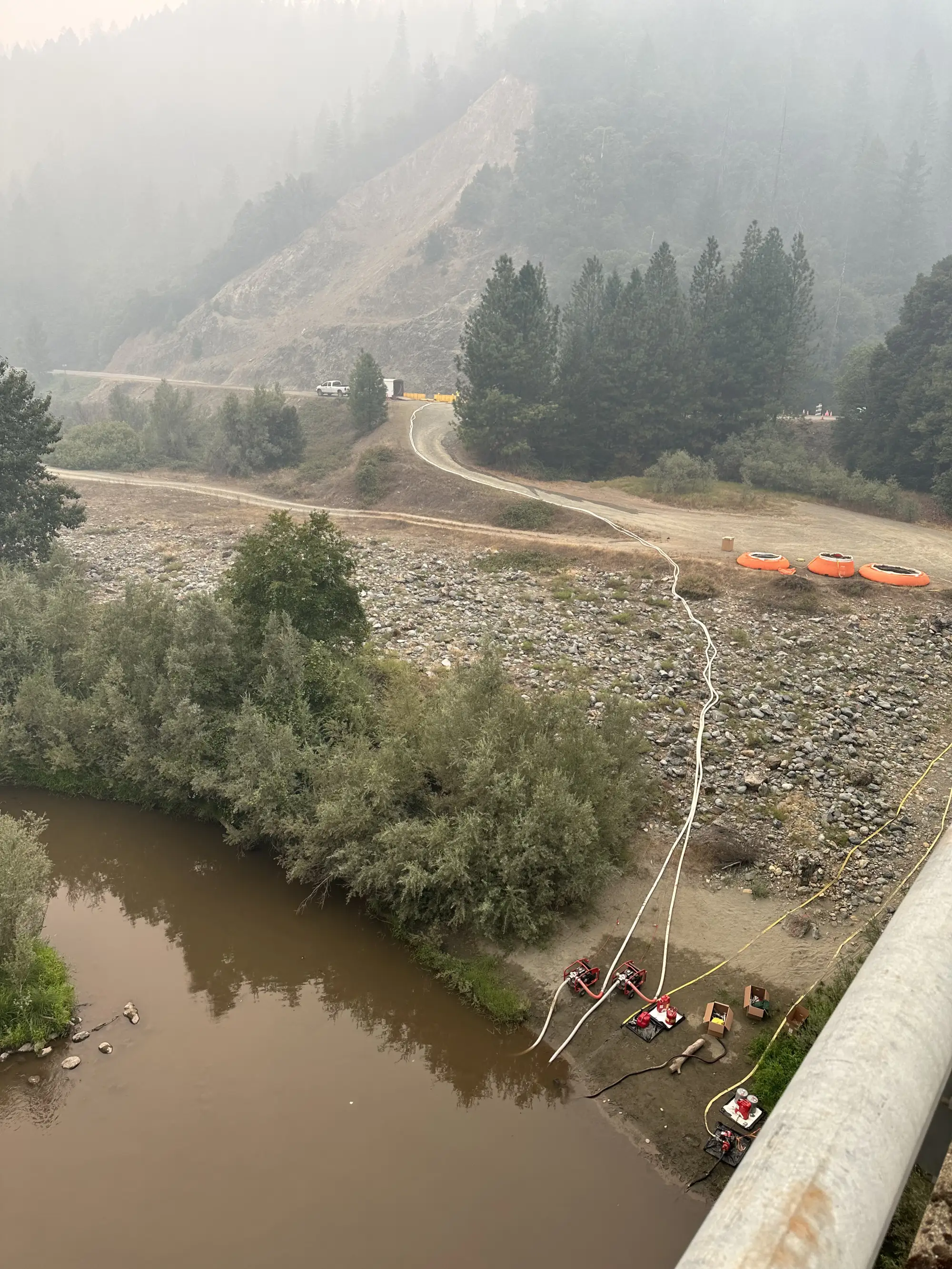
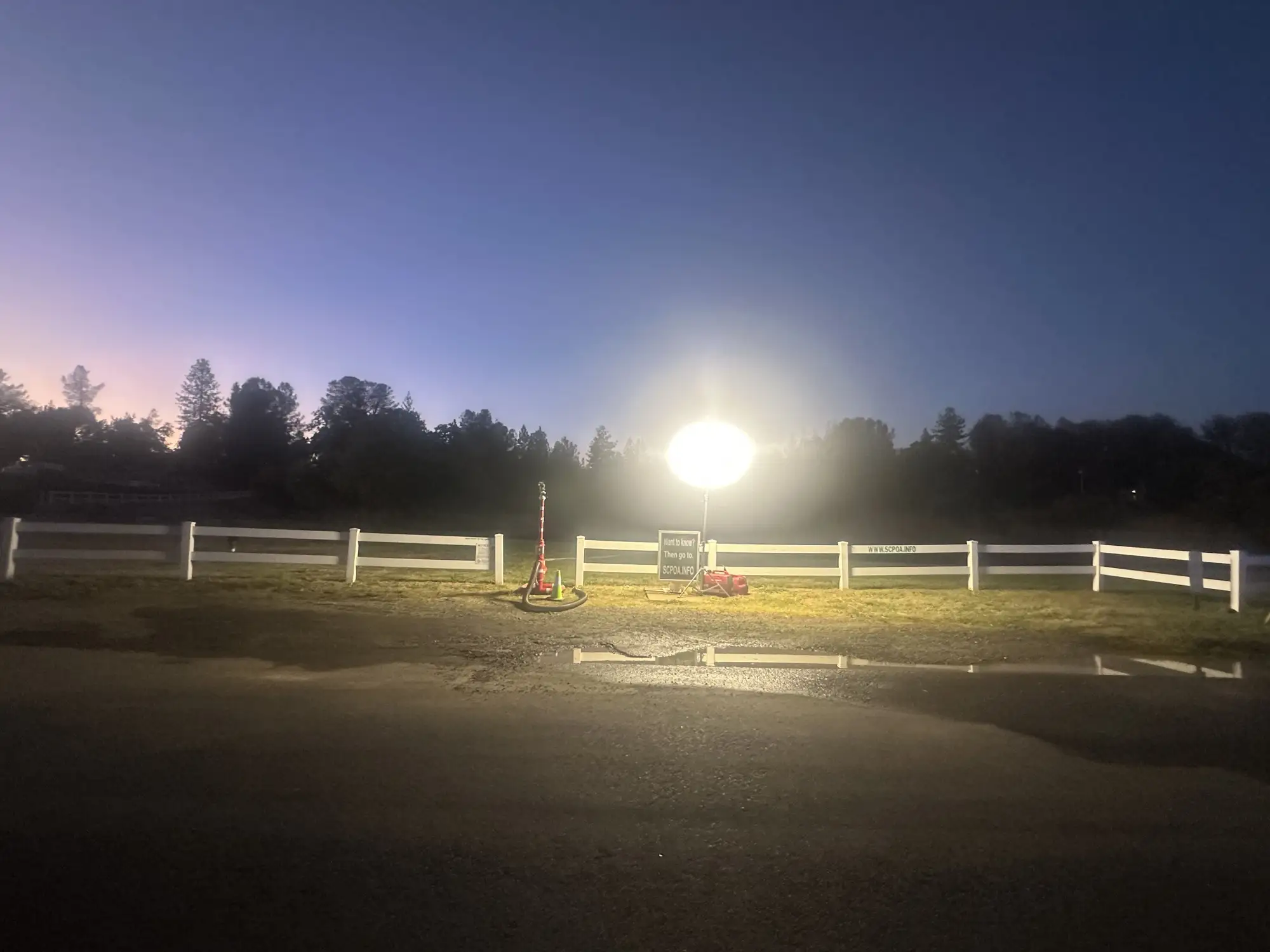
Moves water access to stable areas away from hazards, reducing risk and improving safety for personnel during both day and night operations.

Works seamlessly with natural water sources and standard agency fittings, deploying quickly in any terrain or incident environment.
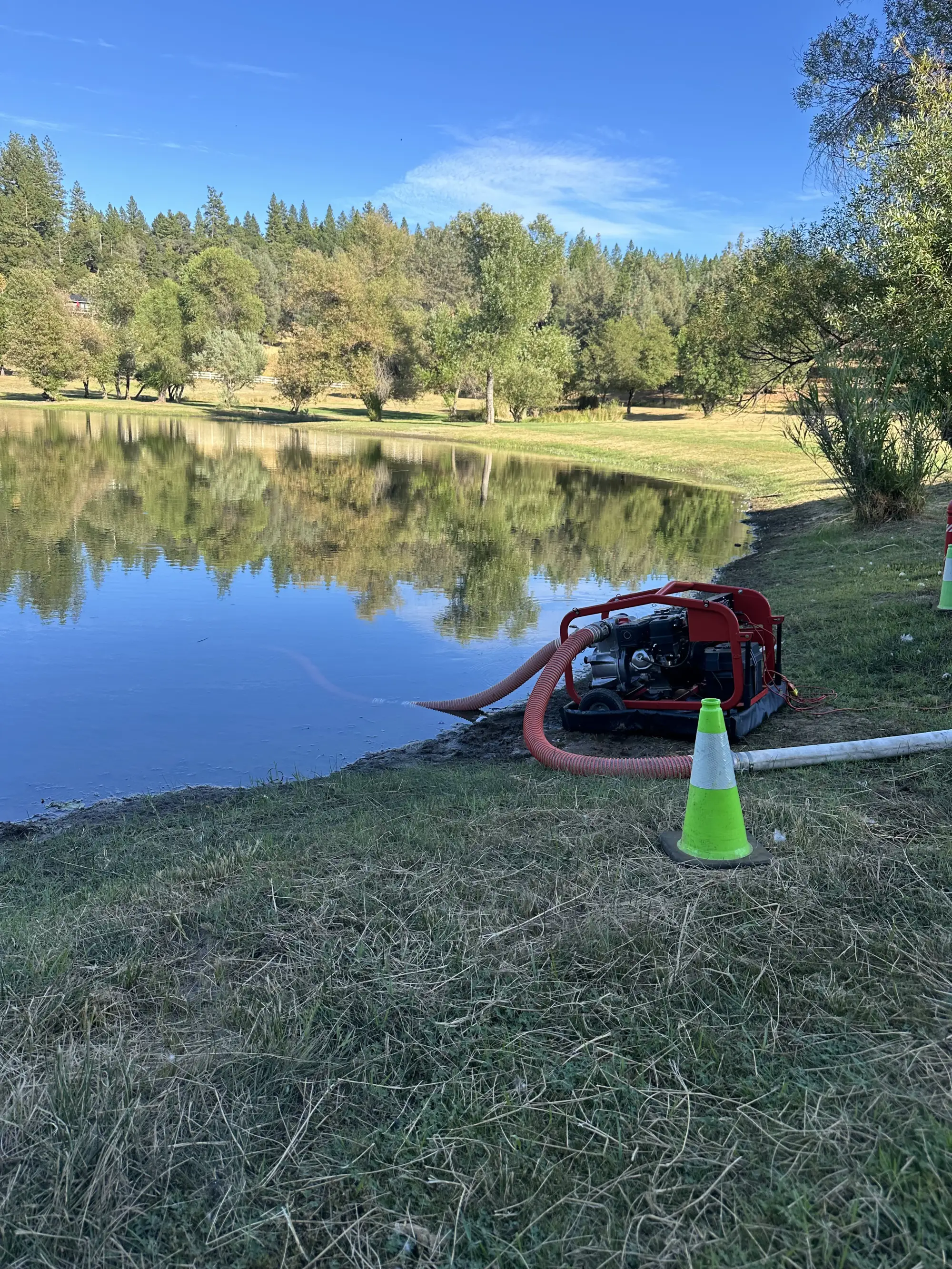
Uses fish-friendly screens and reduces direct drafting to protect habitats and prevent the spread of Aquatic Invasive Species (AIS).
Explore our collection of demonstration videos to see the Remote Hydrant System in action. Each video highlights real-world deployments, showing how quickly the system can be set up, how remote activation works, and how it improves safety and efficiency on the fire line. From lake and river access to multi-pump operations, these clips provide a clear, hands-on look at how the technology transforms traditional water delivery methods for firefighting teams.