Remote Hydrants

Case Studies

The Remote Hydrant System has been proven in real wildfire operations, delivering faster, safer, and more efficient water access. From Cal Fire training exercises to active incidents like the SKU Complex, Ufish, and Carbondale Fires, each deployment demonstrates its reliability and impact on modern firefighting.

Real Deployments. Real Results.

The Remote Hydrant System has been successfully deployed and tested across multiple fire incidents and training operations throughout California. Each deployment provided valuable data and field feedback, confirming the system’s reliability, safety, and ability to make hard-to-reach water sources immediately usable for firefighting personnel.

These real-world applications highlight how the Remote Hydrant reduces refill times, improves crew safety, and expands access to natural water resources that would otherwise remain out of reach.
Cal Fire Training Exercise – Lake Oroville

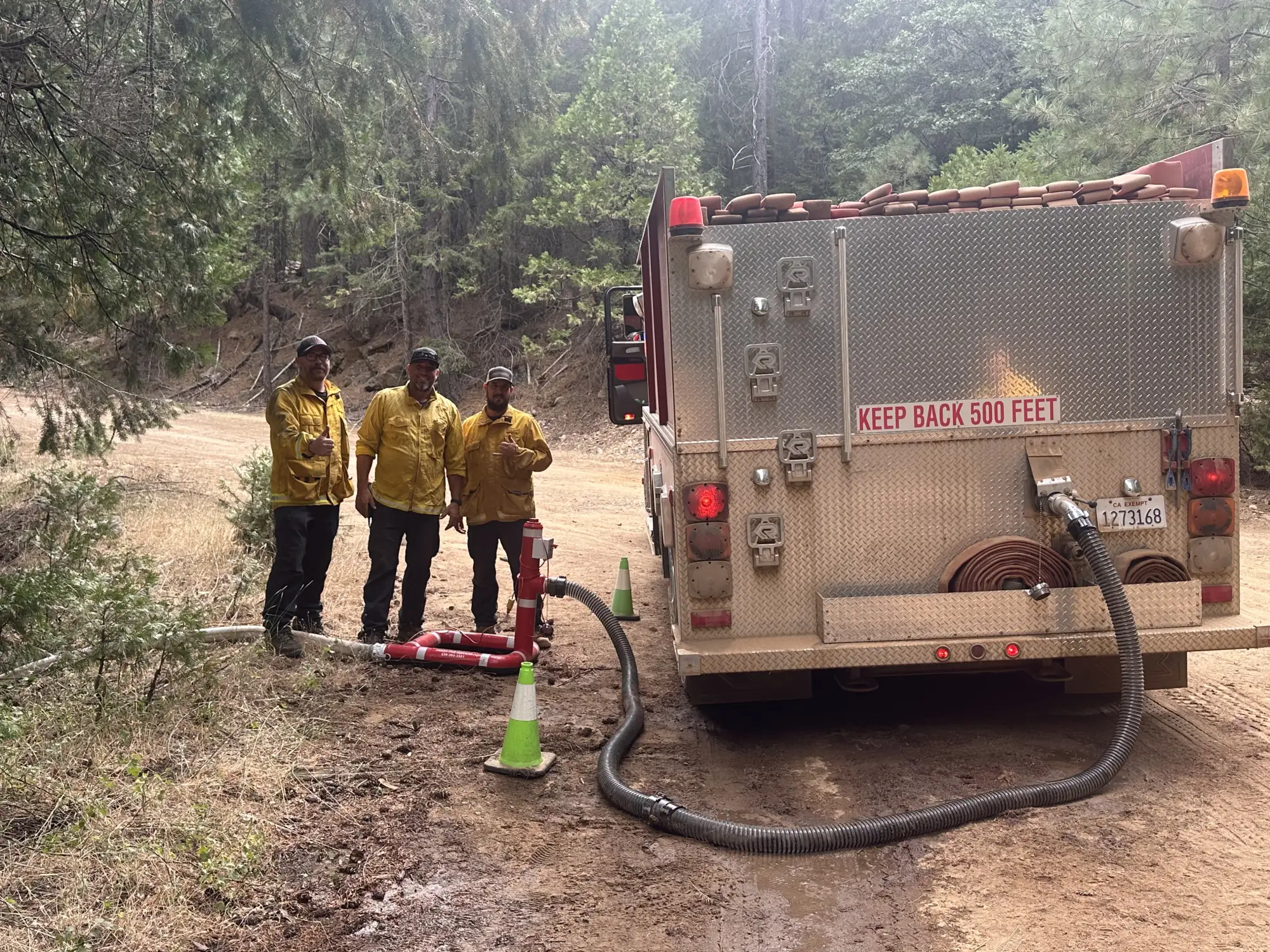
During a Cal Fire training event in Butte County, our team deployed the Remote Hydrant to demonstrate its real-world capability. Positioned approximately 300 feet from Lake Oroville, the system provided a consistent, easily accessible water supply for personnel throughout the exercise. Upon seeing the results firsthand, Cal Fire established a local agreement for future use of Remote Hydrants in active incidents, marking a major step in operational validation.

SKU Complex Fire

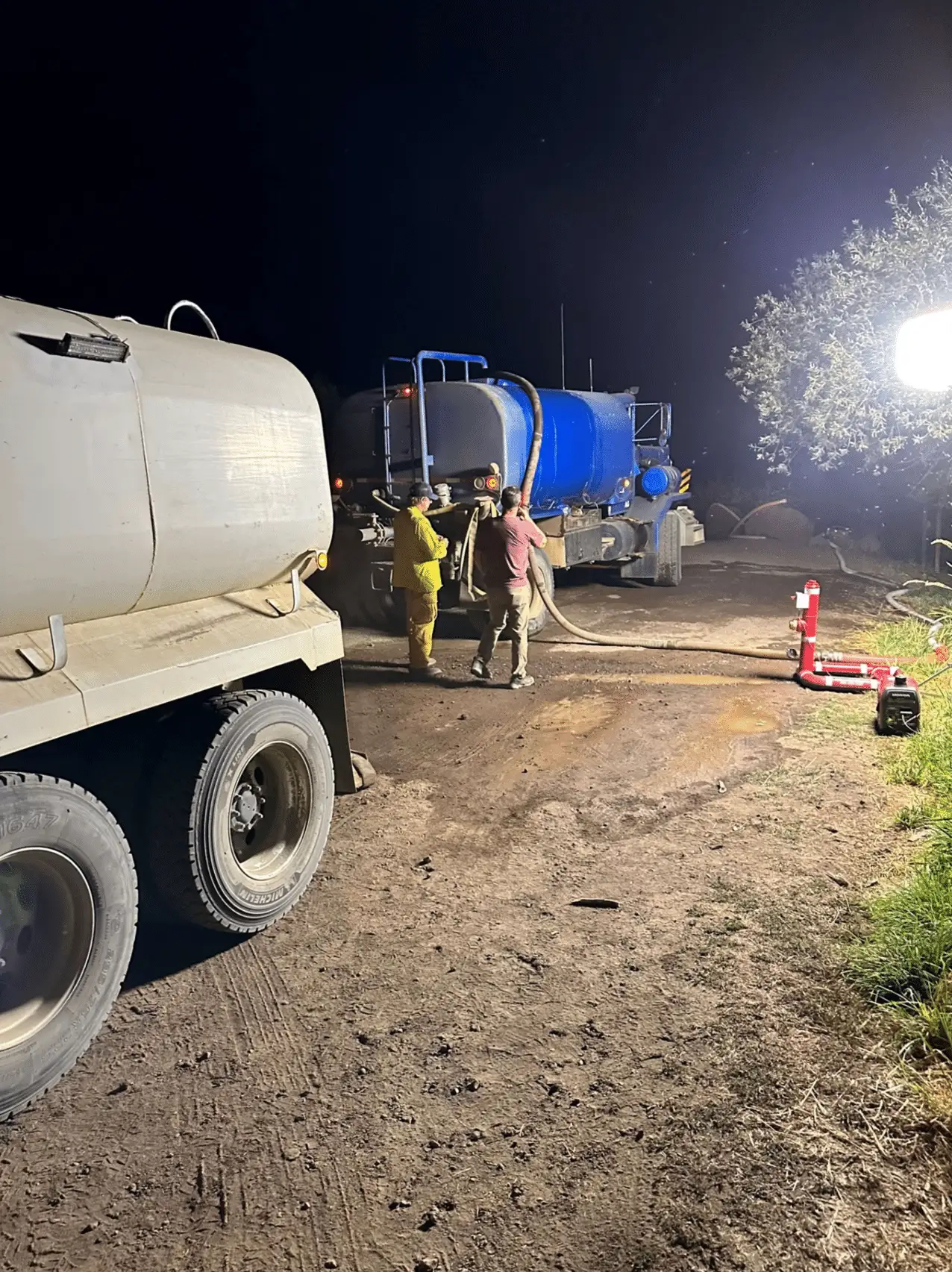
SKU Complex. We offered our equipment as volunteers for a day during this incident, seeking practical testing and feedback of the Remote Hydrant. The fire was located north of a small creek where water tenders were drafting. Upon our arrival, one tender was already drafting, and three others were in line, waiting for access, resulting in a 1.5-hour delay. When these water tenders eventually gained access, the process of stopping, deploying their suction hoses, establishing a prime, filling, and pulling suction hose took 25-30 minutes (4000 gal. tenders) In contrast, we deployed one hydrant at this watering hole, with no head and a 50-foot line. The entire filling process, from start to go for tenders, took only 12 minutes. The presence of a single hydrant at this location effectively eliminated the bottleneck, ensuring a smoother flow of trucks and minimizing downtime.

Ufish Fire

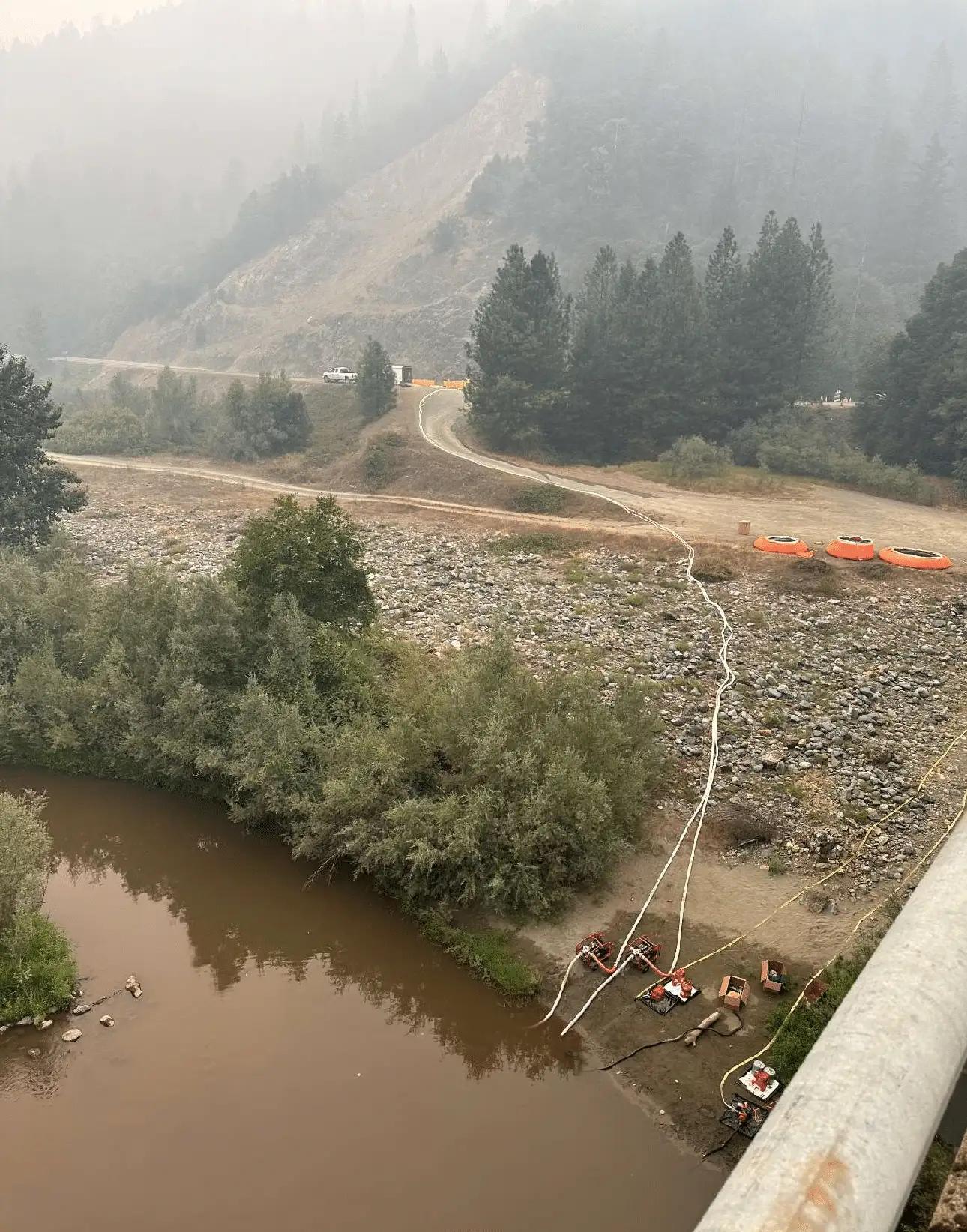
Ufish Fire. Once again, we volunteered our equipment, seeking insights and feedback from personnel in the area. This time, there was an ongoing water shuttling operation with a small waterfall on the side of the road, forming a basin for water collection. Similar to previous instances, water tenders faced prolonged waits in line to access the watering hole. The challenge here was that the waterfall couldn’t replenish the storage rapidly enough. Identifying a strategic solution, we deployed two Remote Hydrants to address the supply issue. Deploying 300 feet of line to each from the main roadway, we connected to the Klamath River, a location not easily reachable by conventional means. This deployment successfully resolved the bottleneck, once again showcasing the effectiveness of having Remote Hydrants in operation. 

Carbondale Fire

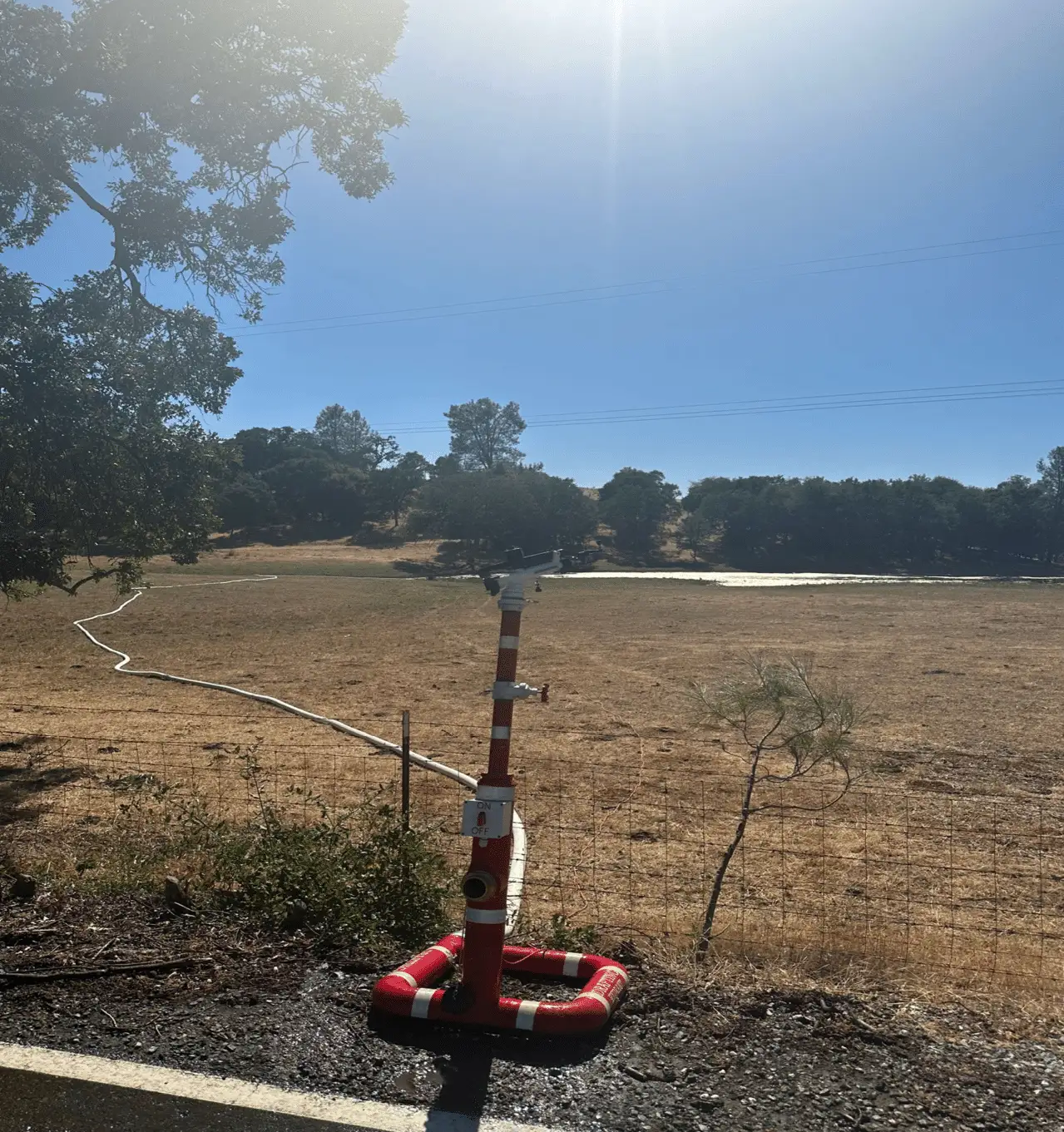
During the Carbondale Fire, a small 20-acre incident near our facility, tenders were forced to shuttle six miles to reach the nearest hydrant due to inaccessible pond conditions. Deploying the Remote Hydrant transformed the nearby pond located 250 feet away into a reliable water source. Within minutes, crews gained convenient roadside access, cutting travel time entirely and proving how quickly the system can adapt to local conditions during smaller-scale events.

Proven Performance Across Every Fireground

From large-scale wildfires to smaller local operations, the Remote Hydrant System has consistently proven its adaptability, efficiency, and safety under real-world conditions. Designed to function in rugged, hard-to-reach environments, it turns distant or inaccessible water sources into reliable refill points within minutes. Field tests and active deployments have shown dramatic reductions in refill times, improved safety for personnel, and more effective use of firefighting resources.

By minimizing travel distances, eliminating bottlenecks, and providing a steady, remote-controlled water supply, the system enables crews to stay focused on suppression efforts rather than logistics. Each deployment reinforces the Remote Hydrant’s potential to transform water delivery operations in wildland firefighting, making the difference between delay and decisive action when every minute counts.

Bring Smarter Water Access
to the Fire Line

See how the Remote Hydrant System can enhance your agency’s firefighting operations. Request a live demonstration or speak with our team to learn how easily it integrates into your existing equipment and procedures.